Advertisement
Advertisement
October 2026 Supplement
Sponsored by Medtronic
Early Real-World Experience With the Liberant™ Thrombectomy System Across Peripheral Arterial, Venous, and Arteriovenous Procedures
The Liberant™ thrombectomy system (Medtronic) is a mechanical endovascular aspiration device that is designed to restore blood flow by removing fresh, soft emboli or thrombi from vessels of the peripheral arterial and venous systems (Figure 1). It is currently available in several catheter sizes, including 6 Fr, 8 Fr (short and long), and 12 Fr, and tip shapes for use in a variety of vessel diameters (Figure 2A). Each catheter set includes a sterile single-use, guidewire-compatible catheter, dilator, clotbuster, aspiration tubing, and hemostasis valve.
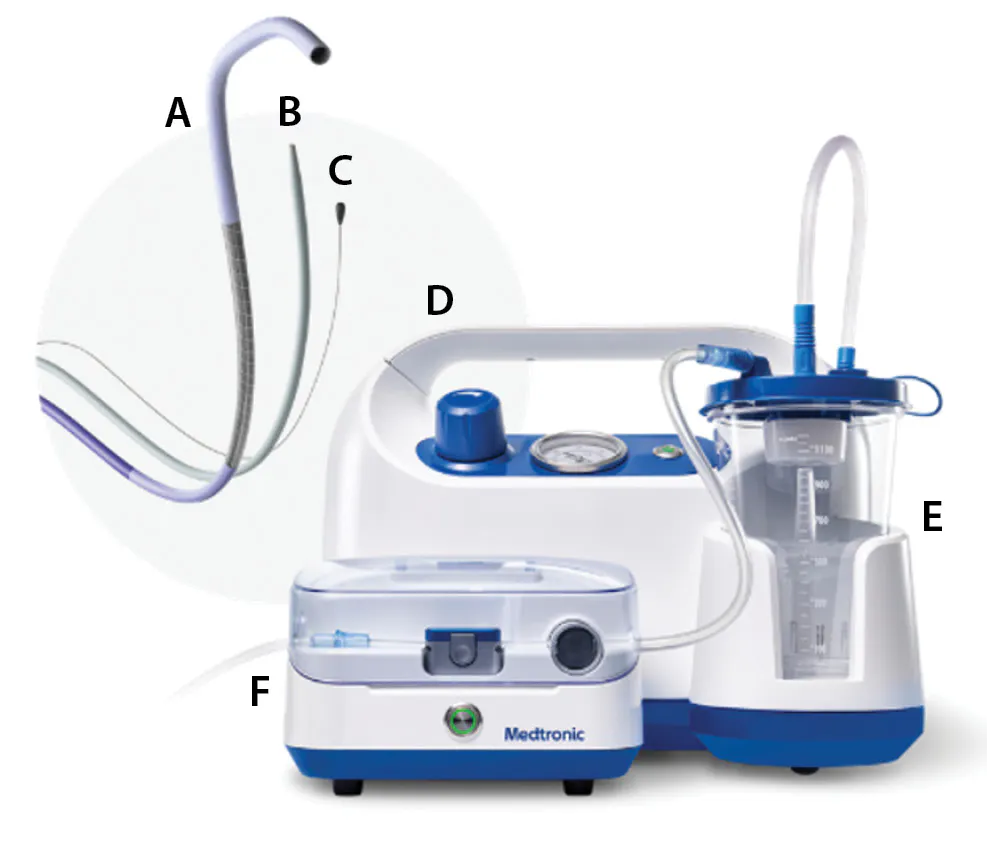
Figure 1. Liberant thrombectomy system and capital components: 12-Fr catheter (A), dilator (B), clotbuster (C), Riptide aspiration pump (D), canister (E), and blood conservation unit (F).
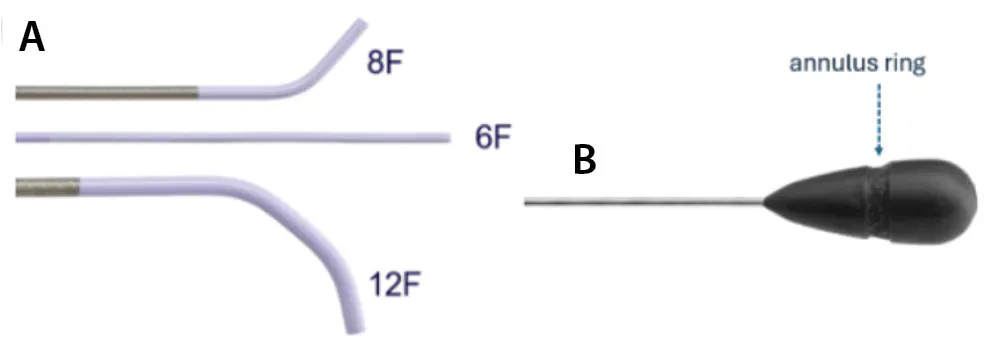
Figure 2. Liberant thrombectomy system catheter tip shapes: straight (6 Fr); single-angled (8 Fr); and double-angled (12 Fr) (A). Liberant system clotbuster bulb (B).
POST–LIBERANT SYSTEM USE PHYSICIAN SURVEY
Following its United States market release in 2025, early real-world experience was captured via a physician survey completed postprocedure where the Liberant system—with or without adjunctive technologies, including the Excipio™* thrombectomy device (Contego Medical)—was used across a range of peripheral arterial, venous, and arteriovenous (AV) thrombectomy procedures. The reported experience included 162 procedures performed by 38 physicians at 21 hospitals (Figure 3). Of the 162 procedures performed, arterial thrombus or emboli represented the majority (49%) of cases, followed by venous thrombosis (28%) and AV thrombectomy cases (23%) (Figure 4).

Figure 3. Physician-collected early procedure data for the Liberant thrombectomy system.
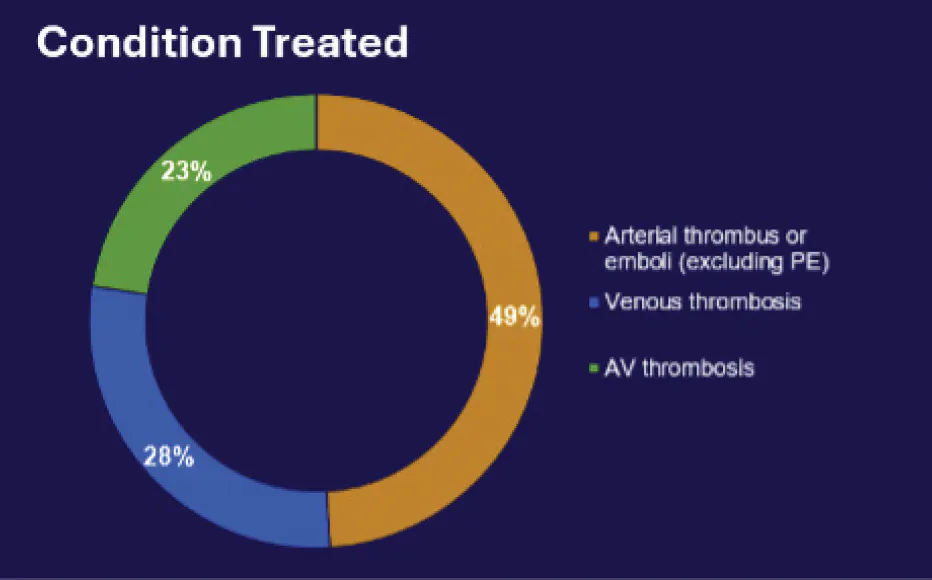
Figure 4. Distribution of early procedure data for the Liberant thrombectomy system by condition treated. PE, pulmonary embolism.
Physicians were asked to determine procedure success, defined as removal of the fresh, soft emboli or thrombi and restoration of adequate blood flow inclusive of all endovascular therapies employed during the procedure. Of the reported procedures, 94% of procedures resulted in successful removal of emboli/thrombi (Figure 5).
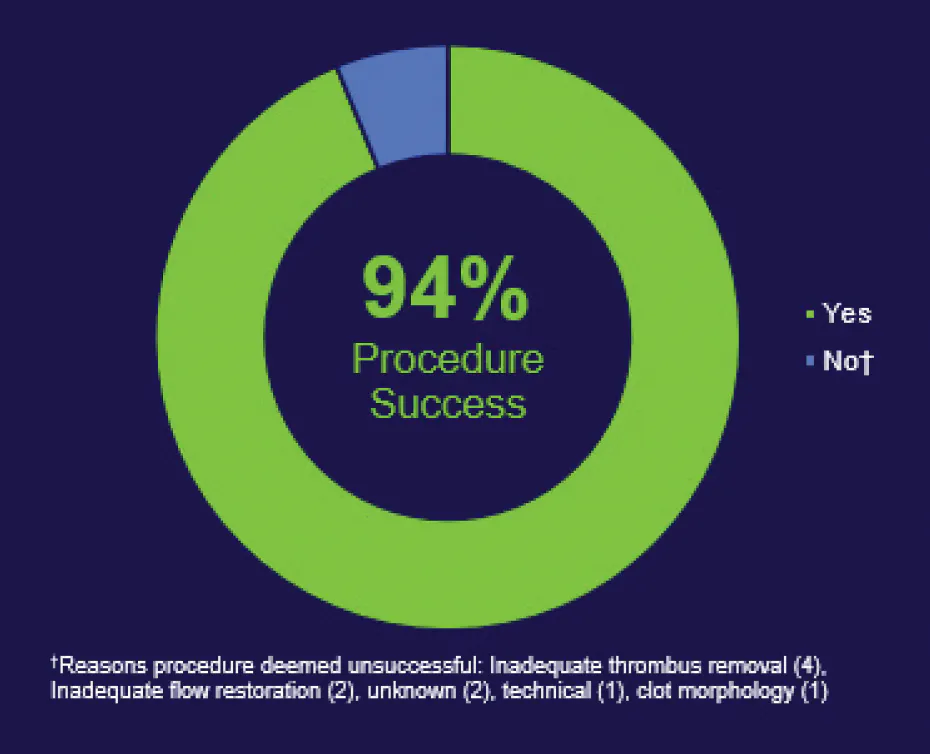
Figure 5. Physician-reported procedure success from early procedure data for the Liberant thrombectomy system (n = 162 cases).
The Liberant blood conservation unit (BCU) is a reusable, nonsterile electronic device that uses ultrasonic control to provide automated, consistent pulse rates across all catheter sizes (Figure 1E). The Liberant system is the only device on the market that directly measures blood flow with an ultrasonic flow sensor and automatically adjusts the aspiration rate through a pinch valve to help reduce blood loss. The BCU has two operating modes: standard mode maintains a lower pulse rate to minimize blood loss during thrombus removal, while boost mode increases the pulse rate to improve procedural efficiency. The majority of procedures (65%) were performed in standard mode. Physicians estimated blood loss (EBL) at < 200 mL in 73% of the 162 early use cases (Figure 6). When asked to rate their satisfaction with blood loss performance using five response categories—from very satisfied to very dissatisfied (clinically unacceptable)—91% reported being satisfied or very satisfied.
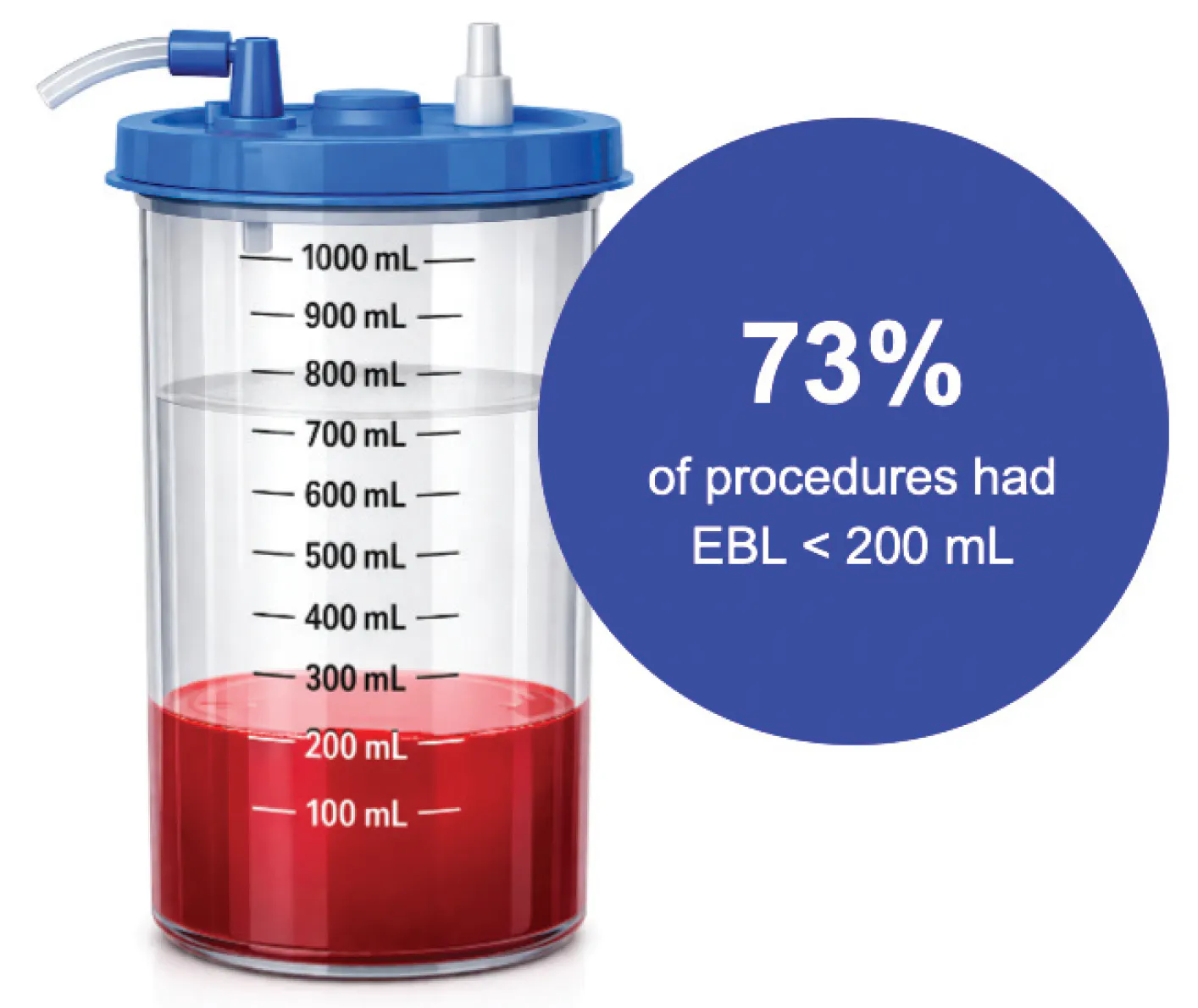
Figure 6. Physician-reported EBL from 162 early use cases of the Liberant thrombectomy system.
The Liberant catheter shaft features a hybrid braid coil design that allows for flexibility and reduced kinking while maintaining a 1-to-1 torque response to transverse tortuous vasculature.† Figure 2A illustrates the available catheters with three (size-dependent) tip shapes: straight (6 Fr), single-angled (8 Fr), and double-angled (12 Fr). The Liberant thrombectomy system catheters are designed to maximize retention of their tip shape after use, ensuring reliable vessel navigability.† In the physician survey, 98% of respondents reported being satisfied or very satisfied with the catheter’s deliverability and torqueability.
The Liberant clotbuster (Figure 2B) is an optional thrombectomy accessory designed to disrupt thrombus, improve clot capture into the aspiration catheter, and clear catheter occlusions during a procedure while minimizing vessel trauma. Physicians used the clotbuster in 25% of procedures, and 80% reported being satisfied or very satisfied with its performance.
The Excipio thrombectomy device (Figure 7) is a rapid-exchange catheter with a mechanical basket designed to be used within an aspiration catheter, like the Liberant system. It can be used to assist with additional clot disruption and removal. The Excipio device comes in three sizes: SV for small vessels 4-8 mm; LV Prime for vessels 6-16 mm; and LV for vessels 10-25 mm. Excipio SV is compatible with the 8-Fr Liberant catheter, while Excipio LV Prime is compatible with the 12-Fr Liberant catheter. Physicians elected to use the Excipio thrombectomy device in 27% of procedures (35 cases with Excipio SV, 9 cases with Excipio LV Prime). Physicians rated performance as satisfied or very satisfied in 88% of evaluated Excipio SV device uses and 100% of evaluated Excipio LV Prime device uses.
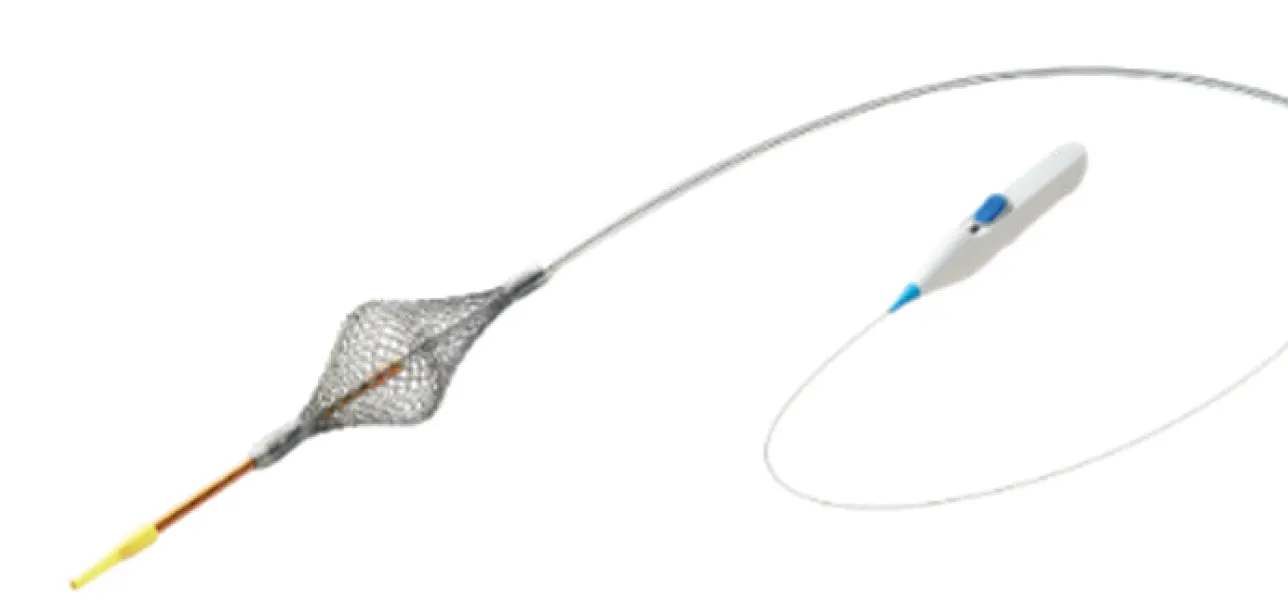
Figure 7. Excipio thrombectomy device.
CONCLUSION
The information collected from these early use cases provides an encouraging, descriptive view of the initial real-world experience with the Liberant thrombectomy system across peripheral arterial, venous, and AV thrombectomy procedures. Physicians reported successful embolus or thrombus removal in 94% of procedures and were satisfied or very satisfied by catheter deliverability and torqueability in 98% of cases. The 162 cases demonstrate use across a range of treated conditions, with ancillary devices incorporated according to procedural needs. These findings support the feasibility and versatility of the Liberant system in varied peripheral thrombectomy workflows and help identify areas for continued clinical experience and evidence generation.
The Liberant RX aspiration catheter (Figure 8) was released after the completion of the post–Liberant system use physician survey. This 5-Fr aspiration catheter is intended for removal/aspiration of embolic material (thrombus/debris) from vessels of the arterial system, and to subselectively infuse/deliver diagnostic or therapeutic agents with or without vessel occlusion. The Liberant RX further expands the capabilities of the Liberant thrombectomy system.
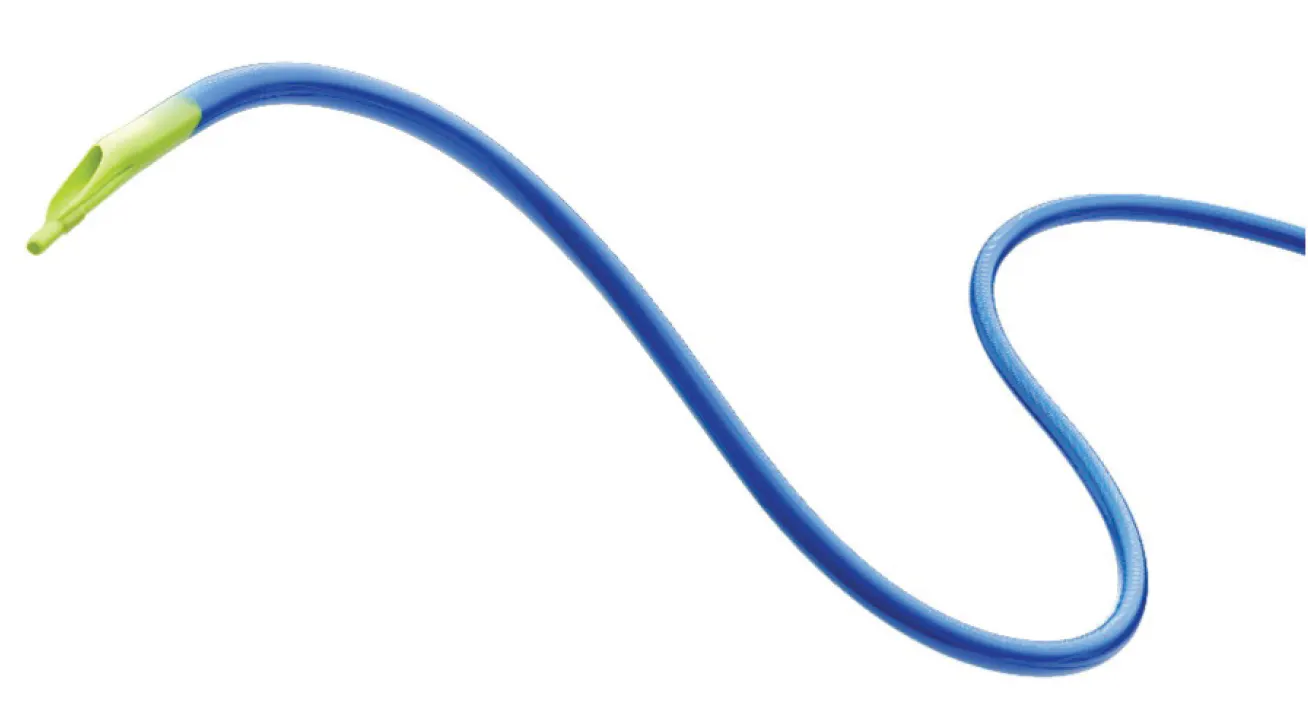
Figure 8. 5-Fr Liberant RX aspiration catheter.
† Internal data on file.
Advertisement
Advertisement