Advertisement
Advertisement
October 2026
Sponsored by Boston Scientific Corporation
Comparative Outcomes of TCAR Versus TFCAS and CEA After the CMS NCD 20.7 Redetermination
Real-world evidence comparing TCAR with TFCAS and CEA across surgical risk and symptom status and the role of the ENROUTE™ Transcarotid Neuroprotection System in contemporary carotid revascularization.
With Elisa Caron, MD, and Caitlin W. Hicks, MD, MS; on behalf of the original publication authors, including Isa van Galen, MD; Jeremy D. Darling, MD; Jemin Park, MD; Camila R. Guetter, MD, MPH; Randall A. Bloch, MD; Roger B. Davis, ScD; Mark F. Conrad, MD; and Marc L. Schermerhorn, MD
Since its approval for high-surgical-risk (HSR) patients in 2004, transfemoral carotid artery stenting (TFCAS) utilization has slowly increased.1 However, conflicting trial data and retrospective analyses suggested that TFCAS was associated with a prolonged learning curve and relatively high stroke risk.2-6 It was surpassed by transcarotid artery revascularization (TCAR) in centers participating in the Society for Vascular Surgery’s Vascular Quality Initiative Transcarotid Surveillance Project (SVS VQI TSP) in 2018 and has remained an option for patients who are ineligible for either carotid endarterectomy (CEA) or TCAR.1 In October 2023, citing the need to expand access for patients in underserved areas, the Centers for Medicare & Medicaid Services (CMS) expanded coverage for TFCAS. Prior to this, coverage was limited to HSR, symptomatic patients with ≥ 70% stenosis; the 2023 National Coverage Determination (NCD) extended coverage for CAS to standard-surgical-risk patients (SSR), asymptomatic patients and symptomatic patients with ≥ 50% stenosis. This redetermination aligned coverage for TFCAS with that for TCAR, which was previously reimbursed agnostic to surgical risk designation and symptom status, contingent on outcomes data entry in the SVS VQI TSP. For context, the TSP specified use of an FDA-cleared proximal embolic protection device and an FDA-approved carotid stent system indicated for the transcarotid approach. These criteria limited TCAR cases to procedures performed with the ENROUTE™ Transcarotid Stent System and ENROUTE™ Transcarotid Neuroprotection System (Boston Scientific Corporation) (Figure 1 and Figure 2), and the majority of available evidence pertains to this system.
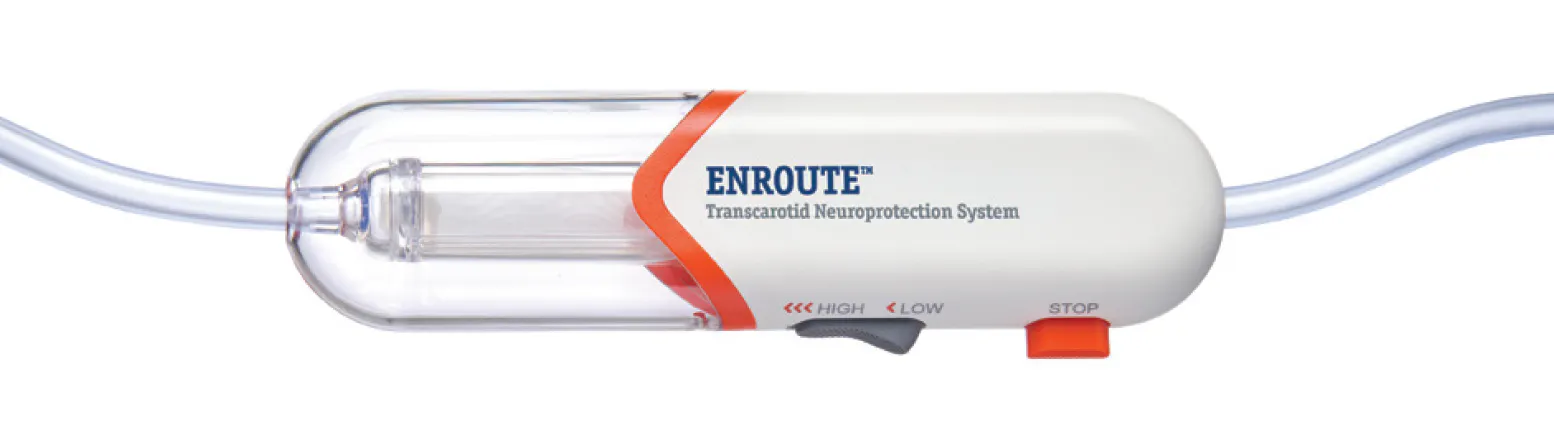
Figure 1. The ENROUTE™ Transcarotid Neuroprotection System.
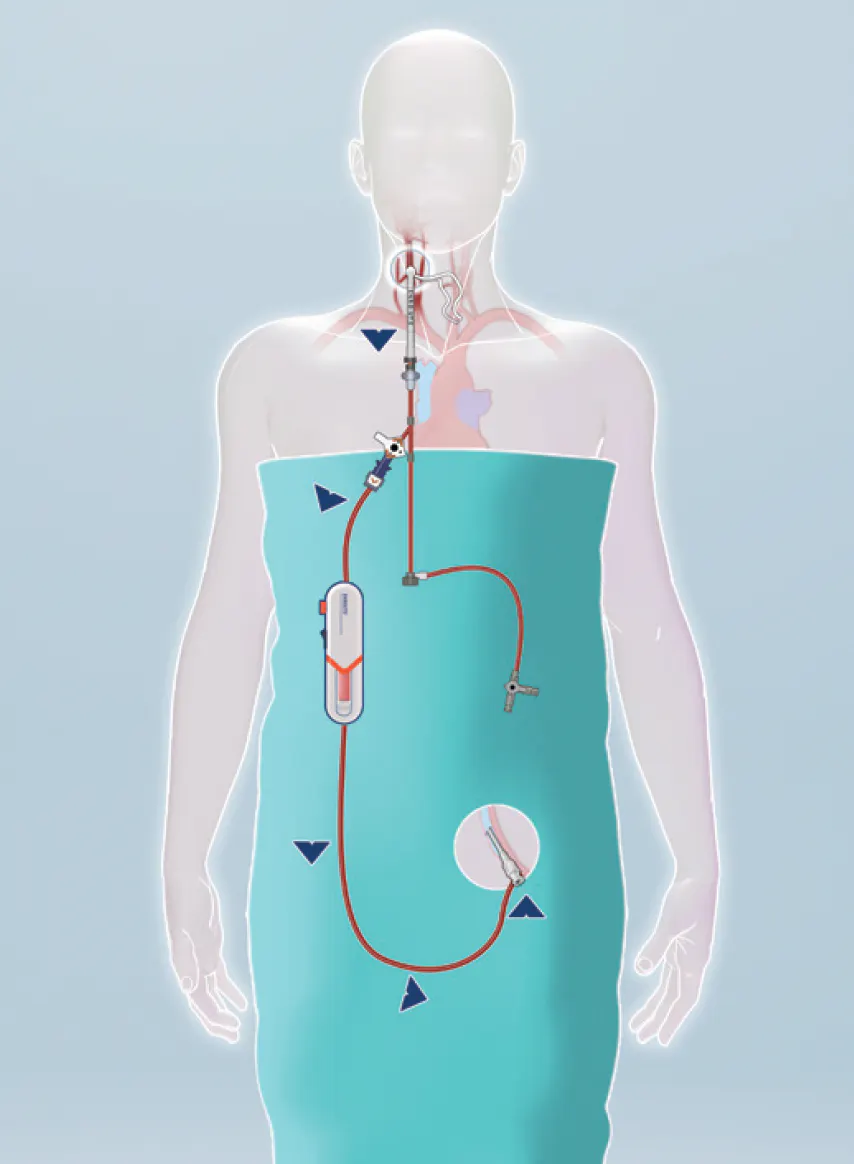
Figure 2. The ENROUTE™ Transcarotid Neuroprotection System flow reversal diagram.
Until October 2023, the TSP captured 95% of United States TCAR outcomes data, with the remaining 5% representing procedures performed in the Veterans Affairs hospital system with federal data collection.7 The redetermination removed facility approval requirements for TFCAS and TSP data entry mandates for TCAR. Notably, in January 2021, the American College of Cardiology National Cardiovascular Data Registry Peripheral Vascular Intervention registry was integrated into the SVS VQI registry program, bringing participating carotid stenting data under a unified registry framework. Currently, the TSP captures approximately 90% of all United States TCAR outcomes data. Anticipating renewed interest in TFCAS since coverage expansion, this article focuses on a VQI-derived comparative analysis of carotid revascularization outcomes in the aftermath of CMS’s landmark decision, stratified by surgical risk designation and symptom status.
THE DATA: OUTCOMES FROM THE VQI AFTER CMS DECISION
A retrospective analysis of prospectively collected data from October 2023 to March 2025 from the SVS VQI registry was performed.8 Patients were classified as either SSR or HSR per CMS criteria and further stratified by symptom status. The primary outcome was in-hospital stroke/death.
A total of 57,843 patients were included in this study, (9,123 TFCAS; 21,814 TCAR; and 26,906 CEA). Due to significant differences in baseline patient characteristics across the treatment groups, an inverse probability of treatment weighting was performed to improve comparability among treatment groups for measured patient, clinical, physician-volume, and procedural characteristics. As with any observational analysis, residual confounding and treatment selection bias remain possible.
RESULTS
SSR Patients
Before weighting, patients treated with TFCAS carried the highest rates of in-hospital stroke/death compared to TCAR and CEA (2.2% vs 1.4% vs 1.2%; P < .01). These differences persisted regardless of symptom status (asymptomatic: 1.6% vs 1.2% vs 1.0%; P = .02; symptomatic: 2.9% vs 1.9% vs 1.7%; P = .01). After weighting in symptomatic SSR patients, no significant differences in stroke/death were observed among TFCAS, TCAR, and CEA. This suggests that the unadjusted results were influenced substantially by differences in case selection, although residual confounding remains possible.
HSR Patients: Where TCAR Stands Out
The HSR cohort, which represented the majority of the study population, demonstrated favorable outcomes associated with TCAR. After weighting, TCAR was associated with lower odds of in-hospital stroke/death compared to CEA (1.5% vs 2.1%; adjusted odds ratio [aOR], 0.75; 95% CI, 0.59-0.94; P = .01) and TFCAS (1.5% vs 2.4%; aOR, 0.64; 95% CI, 0.51-0.80; P < .01). The apparent TCAR advantage was not uniform across symptom groups; the advantage was driven primarily by the asymptomatic subgroup, where TCAR was associated with a lower risk of stroke/death compared to CEA (aOR, 0.72; 95% CI, 0.54-0.96; P = .03) and TFCAS (aOR, 0.57; 95%, CI, 0.42-0.79; P < .01). In contrast, there were no significant differences in in-hospital stroke/death for the symptomatic subgroup for any treatment modality.
Benefits of TCAR extended across the secondary endpoints. In HSR patients, TCAR was associated with a lower risk of death (aOR, 0.49; 95% CI, 0.33-0.74; P < .01) and composite stroke/death/myocardial infarction (MI) (aOR, 0.68, 95% CI, 0.56-0.82; P < 0.01) compared to CEA. These results taken together suggest that TCAR using the ENROUTE™ Transcarotid Neuroprotection System may be a favorable revascularization option in appropriately selected, anatomically suitable high-risk patients.
CONSISTENCY ACROSS THE EVIDENCE BASE
The results of this analysis are consistent with a growing number of independent, real-world analyses (Figure 3),8-13 most of which have reached similar conclusions across statistical approaches and data sources. Whether it is the SVS VQI, a single hospital system, or a community hospital setting, TCAR has generally been associated with outcomes comparable to CEA and a lower stroke risk than TFCAS, particularly in high-risk patients.
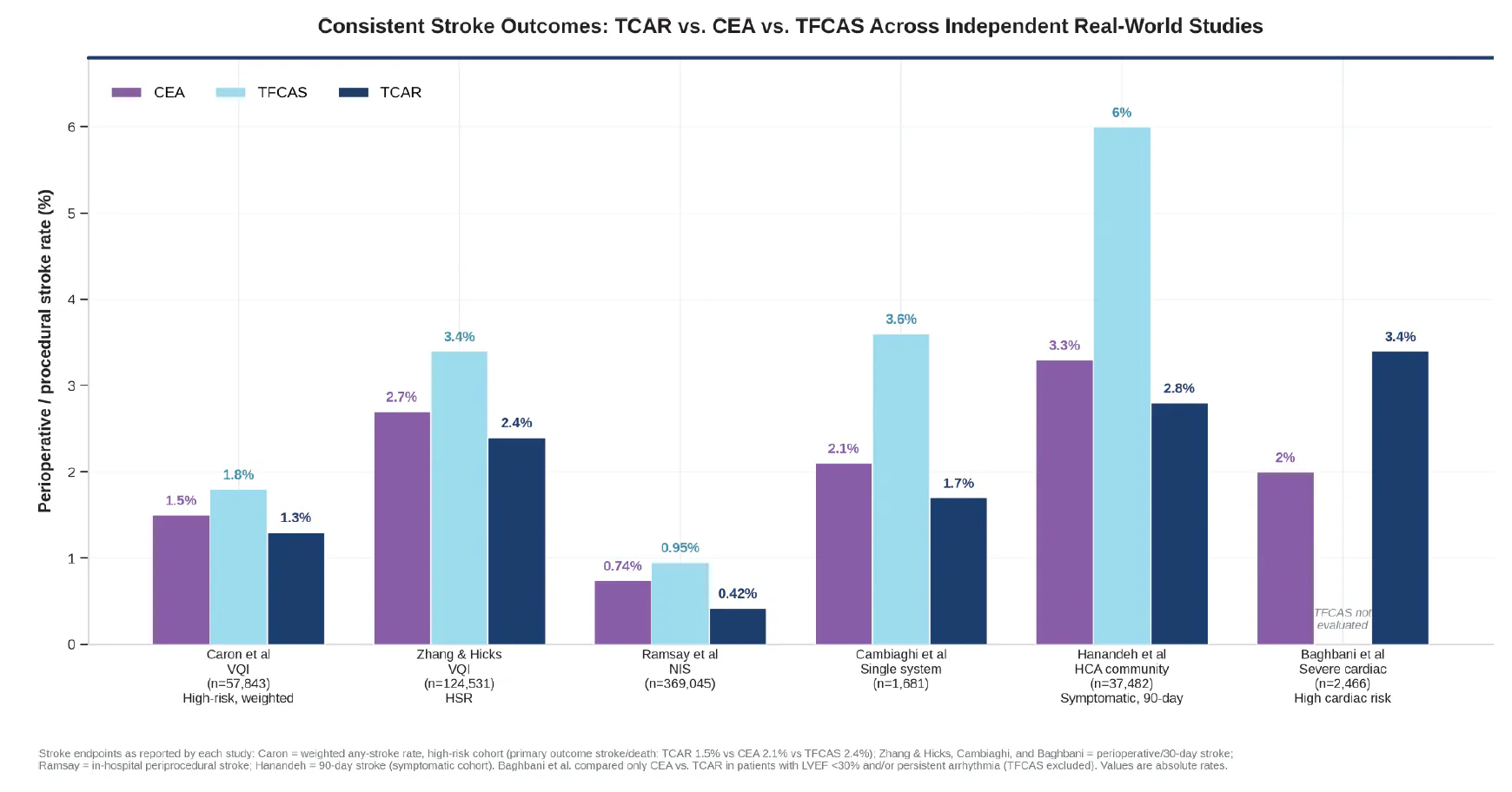
Figure 3. Consistent stroke outcomes observed across independent real-world analyses for TCAR versus CEA versus TFCAS.8-13 NIS, National Inpatient Sample.
- Zhang and Hicks et al (VQI; 124,531 patients): In HSR patients, TCAR was associated with lower adjusted odds of perioperative stroke compared to CEA (aOR, 0.82; 95% CI, 0.68-0.99), whereas TFCAS exhibited a higher stroke risk compared to CEA (aOR, 1.23; 95% CI, 1.03-1.46). In SSR patients, TCAR was associated with similar risk of stroke compared to CEA (aOR 1.05; 95% CI, 0.84-1.31), while TFCAS was associated with a persistently higher risk of stroke compared to CEA.9
- Ramsay et al (National Inpatient Sample; 369,045 patients): TCAR was associated with a lower OR for stroke compared to CEA (OR, 0.47; 95% CI, 0.25-0.87), as well as stroke (OR, 0.48; 95% CI, 0.26-0.91) and death (OR, 0.41; 95% CI, 0.24-0.71) versus TFCAS.10
- Cambiaghi et al (single health system; 1,681 patients): The frequency of perioperative stroke was the lowest with TCAR (1.7%) compared to CEA (2.1%) and TFCAS (3.6%).11
- Hanandeh et al (community hospital; 37,482 symptomatic patients): The frequency of stroke at 90 days was lowest for TCAR (2.8%), followed by CEA (3.3%) and TFCAS (6%, P < .0001). Similarly, 30-day mortality rates were 1.1% for TCAR, 1.1% for CEA, and 3.2% for TFCAS (P < .0001). These findings support the safety of TCAR in the community hospital setting and raise continued concerns about stroke risk after TFCAS.12
- Baghbani et al (severe cardiac hospital setting; 2,466 patients): TCAR exhibited comparable perioperative stroke (ipsilateral: TCAR, 1.9%; CEA, 2.0%; P = .20 and contralateral: TCAR, 0%; CEA, 0.3%; P = zero cell indeterminate), MI (TCAR, 0.3%; CEA, 0.6%; P = .95), and 30-day mortality rates (TCAR, 1.1%; CEA, 2.6%; P = .17) compared to CEA. No additional major long-term differences were observed, supporting TCAR as a safe and less invasive modality in one of the highest-risk patient groups.13
These findings support TCAR as an important option for appropriately selected patients, particularly those at high risk for CEA. Procedure choice should continue to incorporate symptom status, anatomy, comorbidity, operator experience, expected durability, and the anticipated benefit of revascularization relative to contemporary medical therapy.
Clinical Perspectives


In high-risk patients, TCAR using the ENROUTE™ Transcarotid Neuroprotection and Stent Systems was associated with lower odds of stroke/death than both CEA and TFCAS. For a clinician deciding between these options at the bedside, what’s the practical takeaway?
Dr. Caron: The consistency of the data across multiple settings and methods makes me more confident that TCAR provides a safe and effective means of carotid revascularization and will make me more likely to consider TCAR in suitable patients in my future practice. These data also make me less likely to recommend a transfemoral approach in most patients.
Dr. Hicks: These findings reinforce TCAR as an excellent option for anatomically suitable patients, particularly those at high risk for CEA. They also make me less likely to choose TFCAS when either CEA or TCAR is feasible. However, no procedure is best for every patient, and the choice should reflect symptom status, anatomy, comorbidities, and operator experience.
What do these findings mean for how we counsel patients and structure carotid programs going forward, and where do you see the most important next steps for research, including in SSR patients?
Dr. Hicks: The first question is whether a patient will benefit from revascularization at all. If intervention is appropriate, we discuss the relative advantages of CEA, TCAR, and TFCAS based on the patient’s anatomy and clinical risk. Going forward, we need better long-term evidence comparing these approaches, particularly in SSR patients, and better tools to identify the best treatment for each individual patient.
Dr. Caron: These findings, which have held up across multiple studies, increase my comfort with recommending TCAR for most patients, particularly those who are high risk. TCAR has been shown to be associated with lower risk of stroke/death in several high-risk groups, including those with heart disease and end-stage renal disease, making it a good option in anatomically suitable patients. One area of research that is still lacking is the development of prediction models that can support surgeons in determining the optimal carotid revascularization approach for a given patient, which is especially important in SSR patients.
Independent studies across registry, nationwide, community hospital, and cardiac high-risk cohorts keep pointing in the same direction on TCAR, regardless of the statistical methods used. In your view, what is it about the transcarotid approach and dynamic flow reversal that so consistently reduce stroke risk?
Dr. Caron: The deployment of flow reversal from the ENROUTE™ Transcarotid Neuroprotection System (Figure 2) prior to any wire crossing the plaque may be a significant driver of the lower stroke risk with TCAR, and it’s the reason why TCAR has been shown to be associated with lower risk in several high-risk cohorts. Equally important, the carotid approach avoids the need to traverse the arch entirely, avoiding a significant driver of embolic events.
Dr. Hicks: TCAR avoids navigating the aortic arch and establishes flow reversal before the lesion is crossed. Both features may reduce embolization during the procedure, particularly in patients with complex arch anatomy or vulnerable plaque. TCAR has also been shown to have a substantially shorter learning curve than TFCAS, which may contribute to its consistently favorable outcomes across different practice settings.
Conclusion
- Caron et al is the first study conducted entirely after the October 2023 CMS NCD 20.7 redetermination, providing a contemporary real-world assessment of carotid revascularization outcomes.8
- In HSR patients, TCAR was associated with lower odds of in-hospital stroke/death compared to CEA and TFCAS, although this advantage was driven primarily by the asymptomatic subgroup.
- During the first 18 months after expanded CMS coverage, TFCAS remained associated with higher unadjusted stroke/death rates than CEA or TCAR in standard-risk patients. These differences were attenuated after weighting in symptomatic patients, emphasizing the importance of case selection.
- This article reviews five additional independent studies that consistently demonstrate lower stroke rates in patients treated with TCAR compared to TFCAS and comparable outcomes compared to CEA in HSR patients, regardless of statistical approach.
- Together, these studies support utilization of the ENROUTE™ Transcarotid Neuroprotection and Stent Systems as an important revascularization option for appropriately selected patients.
- Importantly, this study compared outcomes only among patients who underwent revascularization. It does not address whether revascularization provides incremental benefit over contemporary medical therapy, an especially important consideration for patients with asymptomatic disease.
CAUTION: The law restricts these devices to sale by or on the order of a physician. Indications, contraindications, warnings, and instructions for use can be found in the product labelling supplied with each device or at www.IFU-BSCI.com. Products shown for INFORMATION purposes only and may not be approved or for sale in certain countries.
1. Columbo JA, Stone DH, Martinez-Camblor P, et al. Adoption and diffusion of transcarotid artery revascularization in contemporary practice. Circ Cardiovasc Interv. 2023;16:e012805. doi: 10.1161/CIRCINTERVENTIONS.122.012805
2. Jabbour G, Yadavalli SD, Straus S, et al. Learning curve of transfemoral carotid artery stenting in the Vascular Quality Initiative registry. J Vasc Surg. 2024;80:138-150.e8. doi: 10.1016/j.jvs.2024.02.026
3. Lal BK, Jordan W, Kashyap VS, et al. Clinical competence statement of the Society for Vascular Surgery on training and credentialing for transcarotid artery revascularization. J Vasc Surg. 2020;72:779-789. doi: 10.1016/j.jvs.2020.05.053
4. Rosenfield K, Babb JD, Cates CU, et al. Clinical competence statement on carotid stenting: training and credentialing for carotid stenting—multispecialty consensus recommendations: a report of the SCAI/SVMB/SVS Writing Committee to develop a clinical competence statement on carotid interventions. J Am Coll Cardiol. 2005;45:165-174. doi: 10.1016/j.jacc.2004.11.016
5. Gray WA, Rosenfield KA, Jaff MR, et al. Influence of site and operator characteristics on carotid artery stent outcomes: analysis of the CAPTURE 2 (carotid ACCULINK/ACCUNET post approval trial to uncover rare events) clinical study. JACC Cardiovasc Interv. 2011;4:235-246. doi: 10.1016/j.jcin.2010.10.009
6. Ahmadi R, Willfort A, Lang W, et al. Carotid artery stenting: effect of learning curve and intermediate-term morphological outcome. J Endovasc Ther. 2001;8:539-546. doi: 10.1177/152660280100800601
7. Mas JL, Chatellier G, Beyssen B, et al. Endarterectomy versus stenting in patients with symptomatic severe carotid stenosis. N Engl J Med. 2006;355:1660-1671. doi: 10.1056/NEJMoa061752
8. Caron E, Van Galen I, Darling JD, et al. Comparative outcomes of transfemoral carotid artery stenting versus carotid endarterectomy versus transcarotid artery revascularization in standard- and high-risk patients since the CMS decision in October 2023 using the VQI. J Vasc Surg. 2026;83:100-111. doi: 10.1016/j.jvs.2025.08.021
9. Zhang GQ, Bose S, Stonko DP, et al. Transcarotid artery revascularization is associated with similar outcomes to carotid endarterectomy regardless of patient risk status. J Vasc Surg. 2022;76:474-481.e3. doi: 10.1016/j.jvs.2022.03.860
10. Ramsay IA, Burks JD, Lu VM, et al. Perioperative outcomes in transcarotid artery revascularization versus carotid endarterectomy or stenting nationwide. Oper Neurosurg. 2023;25:453-460. doi: 10.1227/ons.0000000000000865
11. Cambiaghi T, Mills A, Leonard S, et al. Effect of perioperative stroke on survival after carotid intervention. Vasc Endovascular Surg. 2024;58:280-286. doi: 10.1177/15385744231207015
12. Hanandeh A, Zia Z, Cabrera V, et al. Comparative outcomes of carotid endarterectomy, transfemoral carotid artery stenting, and transcarotid artery revascularization in community hospital settings: a multicenter retrospective study. Ann Vasc Surg. 2026;129:245-254. doi: 10.1016/j.avsg.2026.03.007
13. Baghbani A, Sandhu HK, Tanaka A, et al. Outcomes of carotid endarterectomy versus transcarotid artery revascularization in patients with significant cardiac comorbidities. Ann Vasc Surg. 2026;129:446-453. doi: 10.1016/j.avsg.2026.04.025
Advertisement
Advertisement