Advertisement
Advertisement
October 2026
Sponsored by Endologix
Durability From Every Angle
Adaptive Sealing Technology approaches EVAR differently. Clinical studies of the Ovation® platform and ALTO® system point to durable proximal seal in challenging anatomy.
With Michael V. Chobotov, PhD; Prof. Dr. Hozan Mufty, MD, PhD, FEBVS; Thomas Nolte, MD; Christopher J. Kwolek, MD, MBA, FACS, DFSVS; Venkatesh Ramaiah, MD, FACS; and Nicolas J. Mouawad, MD, MPH, MBA, RPVI
Separating Fixation and Seal in AAA Repair
By Michael V. Chobotov, PhD
Endovascular aneurysm repair (EVAR) transformed abdominal aortic aneurysm (AAA) care by offering a less invasive way to exclude the aneurysm sac,1 but durability remains the true measure of its success. Not only must EVAR systems be successfully deployed, they must also maintain fixation, proximal seal, and sac exclusion over long-term follow-up.
That challenge is magnified by real-world anatomy. Patients often present with short or angulated necks, wide or reverse-tapered necks, thrombus, calcification, small access vessels, and/or tortuous iliac anatomy.1,2 Recent studies have shown that outcomes are often less favorable when conventional self-expanding stent graft EVAR systems are used outside the instructions for use (IFU) or in hostile proximal neck anatomy, including higher risks of type Ia endoleaks, sac expansion, reintervention, rupture, aneurysm-related mortality, or graft-related adverse events.3,4 The clinical problem is clear: Durable proximal seal may be most difficult to maintain in the anatomically challenging patients who often have the greatest need for a less invasive repair option.4
RETHINKING SEAL IN A DILATING VESSEL
In taking a clean-sheet approach to EVAR system design, that clinical problem raised a basic question for me. Conventional EVAR drew on self-expanding stent graft principles that had proven valuable in restoring and maintaining vessel patency. That principle is familiar in occlusive disease, where outward force can help restore or maintain luminal patency. AAA is different. The vessel is already enlarging because the wall is diseased and under pressure, yet the proximal neck is being asked to remain stable enough to preserve the seal.
That was the paradox: using an expansion-based technology to seal a disease defined by dilation. A self-expanding endograft depends on sustained apposition, oversizing, and friction against the aortic neck. If the proximal neck dilates over time, the seal zone itself can become a source of late vulnerability, increasing the risk of type Ia endoleaks, migration, and reintervention.5
Adaptive Sealing Technology (AST) was designed to address that problem by separating fixation and seal. Rather than asking a self-expanding cylindrical graft to provide both fixation and seal primarily through outward force, AST uses a separate, dedicated anchoring structure, in conjunction with nonexpansile polymer-filled sealing rings that conform to the patient’s anatomy (Figure 1). The goal was to form a custom seal against the anatomy, rather than forcing the anatomy to conform to the device by exerting chronic outward radial force.
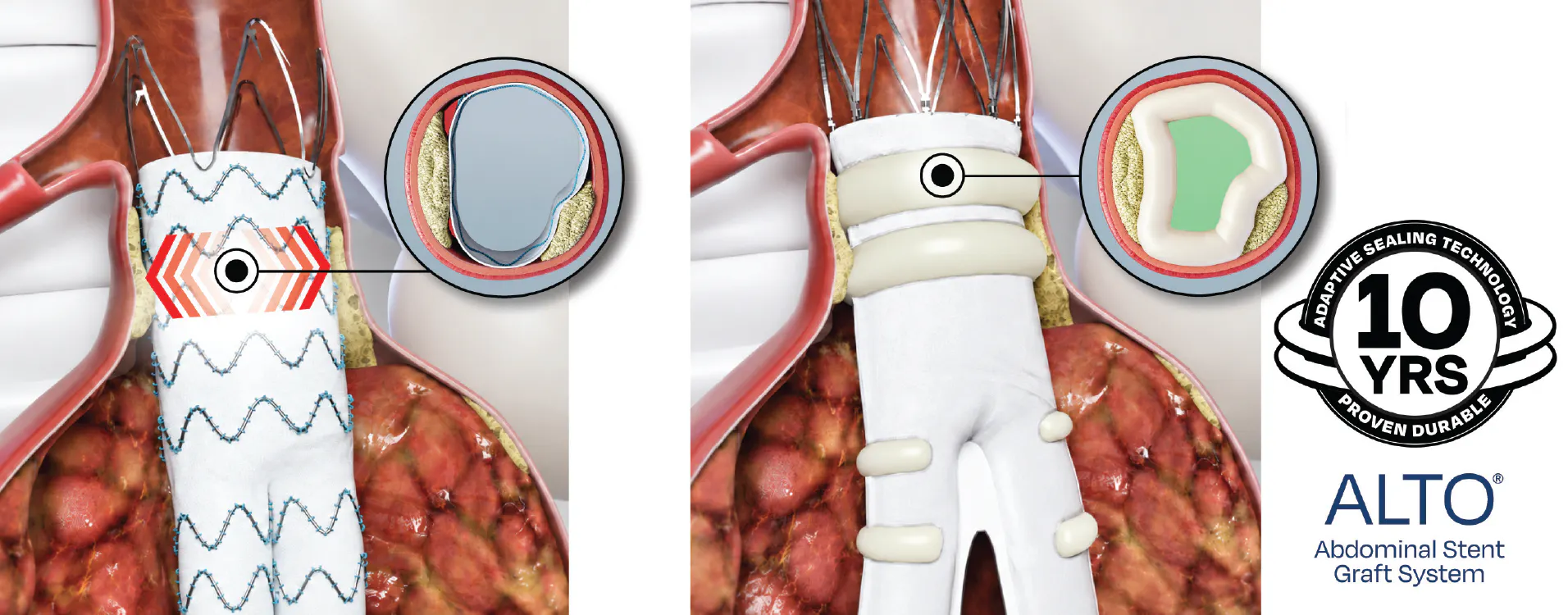
Figure 1. Radial-force-dependent sealing versus Adaptive Sealing Technology used in the ALTO® system. A radial-force-dependent self-expanding stent graft seal may exclude the aneurysm sac while continuing to transmit chronic outward force to the proximal neck, with potential gaps against irregular anatomy (A). The ALTO system incorporates proprietary Adaptive Sealing Technology with polymer-filled sealing rings to conform to the aortic neck, creating a customized circumferential seal designed to exclude both the sac and the neck while exerting minimal radial force (B).
FROM DESIGN TO DURABILITY EVIDENCE
The clinical question now is whether that design concept translates into durable performance. For a sealing technology, the most relevant outcomes are those tied directly to proximal seal durability: freedom from late type Ia endoleaks and freedom from AAA- or EVAR-related mortality. The real-world evidence summarized by Prof. Mufty (Table 1) includes studies of the Ovation® Abdominal Stent Graft Platform and ALTO® Abdominal Stent Graft System (both Endologix) in hostile neck, complex anatomy, and small-access cohorts. In Table 1 of Prof. Mufty’s article, 10-year outcomes are reported only for Ovation platform studies; follow-up on the ALTO device is shorter term. Because the studies summarized in Table 1 were conducted separately and were not designed as head-to-head comparisons, the results should not be interpreted as direct comparative evidence. However, across these data sets, the findings provide a consistent durability signal in outcomes directly linked to proximal seal integrity, particularly freedom from late type Ia endoleaks.
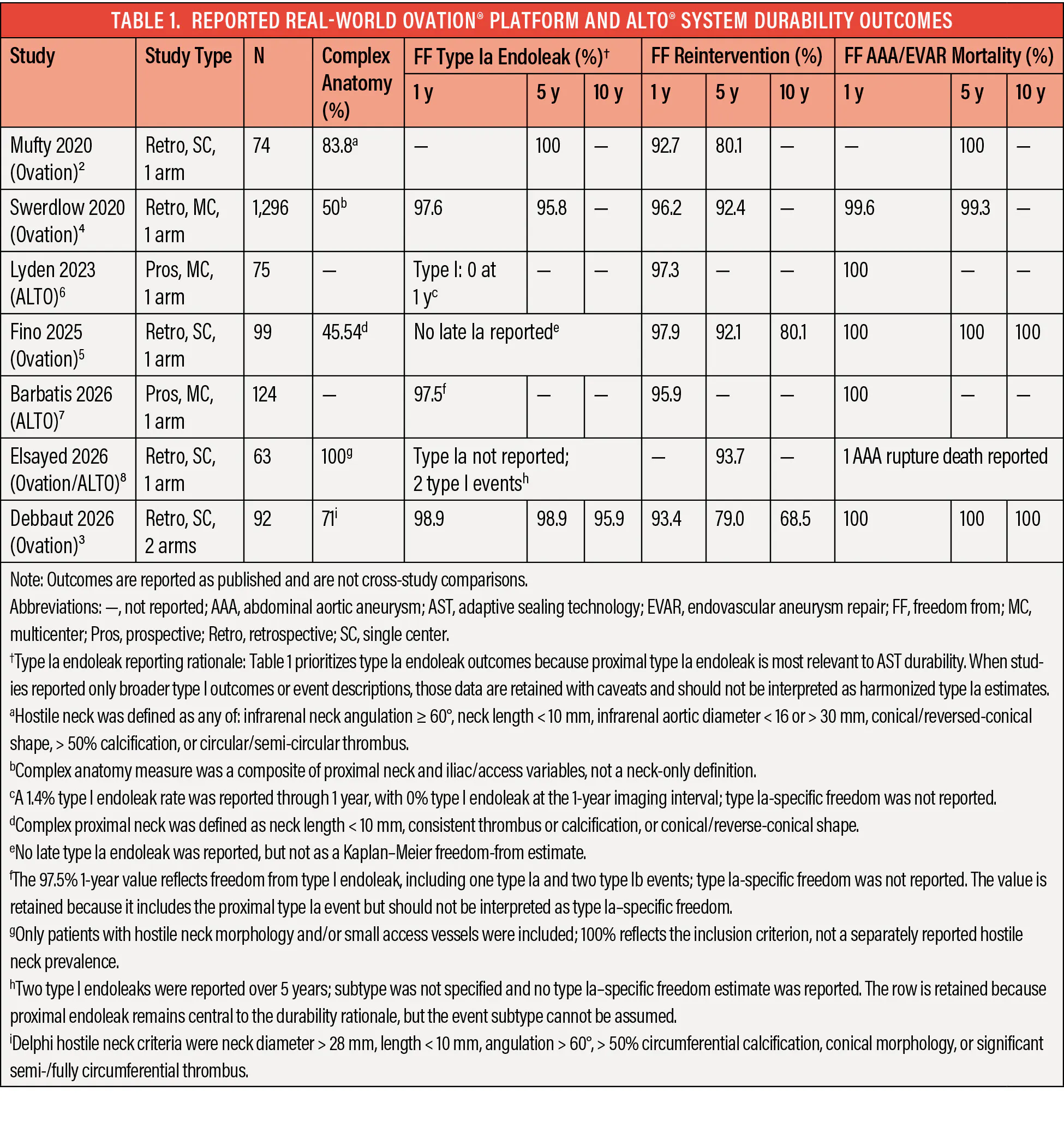
The design concept for AST, specifically separating fixation and seal and adapting the seal to the patient’s anatomy, frames the evidence in this article. The evidence in Table 1, the early interim findings from the randomized JAGUAR trial discussed by Dr. Kwolek, and the accompanying case examples each examine the same question from a different angle: whether AST can maintain proximal seal in the challenging anatomy physicians frequently encounter in practice. For me, that has always been the central durability question in EVAR: not simply whether an aneurysm can be excluded at implantation, but whether that exclusion can be maintained over time.
1. Chaikof EL, Dalman RL, Eskandari MK, et al. The Society for Vascular Surgery practice guidelines on the care of patients with an abdominal aortic aneurysm. J Vasc Surg. 2018;67:2-77.e2. doi: 10.1016/j.jvs.2017.10.044
2. Marone EM, Freyrie A, Ruotolo C, et al. Expert opinion on hostile neck definition in endovascular treatment of abdominal aortic aneurysms (a Delphi consensus). Ann Vasc Surg. 2020;62:173-182. doi: 10.1016/j.avsg.2019.05.049
3. Hahl T, Protto S, Järvenpää V, et al. Long-term outcomes of endovascular aneurysm repair according to instructions for use adherence status. J Vasc Surg. 2022;76:699-706.e2. doi: 10.1016/j.jvs.2022.03.010
4. De Guerre LEVM, O’Donnell TFX, Varkevisser RRB, et al. The association between device instructions for use adherence and outcomes after elective endovascular aortic abdominal aneurysm repair. J Vasc Surg. 2022;76:690-698.e2. doi: 10.1016/j.jvs.2022.02.037
5. Chatzelas DA, Loutradis CN, Pitoulias AG, et al. A systematic review and meta-analysis of proximal aortic neck dilatation after endovascular abdominal aortic aneurysm repair. J Vasc Surg. 2023;77:941-956.e1. doi: 10.1016/j.jvs.2022.07.182
Adaptive Sealing Durability: Real-World and Interim Randomized Findings
Long-term real-world Ovation® platform experience, ALTO® system clinical follow-up, and early interim findings from the randomized JAGUAR trial tell a durability story centered on proximal seal integrity, neck stability, and sustained clinical outcomes in challenging anatomy.
EVAR durability depends on maintaining proximal seal integrity over time. Adaptive Sealing Technology (AST), the polymer-based sealing approach used across the Ovation® Abdominal Stent Graft Platform and ALTO® Abdominal Stent Graft System, was designed to support durable proximal seal by separating fixation from seal and conforming to the patient’s proximal neck anatomy. Evidence of AST durability is organized around three complementary angles: long-term Ovation platform experience, ALTO system–specific clinical follow-up, and interim JAGUAR findings that evaluate the ALTO system in a prospective comparative setting. Each is summarized below.
Real-World Evidence: Durability in Challenging Anatomy
By Prof. Dr. Hozan Mufty, MD, PhD, FEBVS
Durability becomes most clinically relevant in patients with hostile proximal neck features or anatomy that falls outside the IFU of traditional self-expanding EVAR systems that rely on radial force and graft-to-wall apposition for proximal seal.1 The real-world studies summarized in Table 12-8 examine AST-associated proximal seal performance across different practice settings in anatomies that may challenge traditional self-expanding EVAR systems but are treatable using the Ovation platform and ALTO system. While durable EVAR outcomes will always depend on careful anatomy selection, precise deployment, and lifelong imaging follow-up, the evidence reviewed here supports a consistent pattern of low rates of proximal seal failure and aneurysm-related mortality.
These studies combine long-term Ovation platform data with earlier ALTO system–specific experience and focus on clinically relevant durability outcomes reported in Table 1, including type Ia endoleak, AAA-/EVAR-related mortality, and reintervention. Because the studies differ in design, endpoint definitions, follow-up duration, and reporting methods, these outcomes should be interpreted as a structured durability overview rather than as cross-study comparisons.
In our single-center Ovation platform experience, 83.8% of patients had hostile neck features, including calcification, thrombus, and unfavorable neck taper such as conical or reverse-conical morphology. Despite this challenging anatomy, no late type Ia or type III endoleaks were detected during follow-up, and no aneurysm-related mortality was reported.2 The subsequent Leuven analysis extended follow-up of this experience, with 71% of patients meeting Delphi hostile-neck criteria; high freedom from type Ia endoleak was reported through 10 years, with no EVAR-related mortality.3
Additional Ovation platform data sets extend the real-world platform evidence in complementary ways. The ENCORE analysis reported broad multicenter experience in 1,296 Ovation platform–treated patients, including a cohort in which 50% met the study’s composite definition of complex anatomy; reported 5-year outcomes included 95.8% freedom from type Ia endoleak and 99.3% freedom from aneurysm-related mortality.4 A separate single-center Ovation platform experience reported by Fino and colleagues adds longer-term follow-up, with no late type Ia endoleaks reported, freedom from reintervention reported through 10 years, and no AAA-/EVAR-related mortality.5 Although these data sets are not directly comparable to our Leuven experience, they show a similar seal-related pattern.
Click here to learn more about the ALTO® system.
Table 1 also reports on reintervention. Although clinically important, I interpret reintervention cautiously in durability discussions because the reason for reintervention matters. Secondary procedures may reflect type II endoleak, iliac limb issues, distal seal events, access-related problems, or local surveillance and treatment thresholds rather than proximal seal failure.
The ALTO system represents a later-generation application of the low-profile AST design concept established in the Ovation platform. The earlier Ovation devices established the platform’s low-profile delivery approach, including a 14-F aortic body delivery catheter with a defined 10-mm sealing ring location. The ALTO system builds on this foundation with a low-profile, 16-F outer-diameter aortic body delivery catheter and a defined 7-mm sealing ring location.
Although ALTO system–specific follow-up is earlier than the broader Ovation platform experience, available findings are consistent with the same proximal seal durability rationale. Longer-term Ovation platform data provide supportive platform evidence as ALTO system–specific follow-up continues to mature. The prospective, multicenter ELEVATE investigational device exemption study of 75 ALTO system patients reported one type Ia endoleak, observed at the end of the index procedure and successfully treated during follow-up; at the 1-year imaging interval, no type I endoleaks were reported, with no device migration, type III endoleaks, rupture, or AAA-related mortality through 1 year and 97.3% freedom from reintervention.6 The Hellenic ALTO Registry adds contemporary prospective ALTO system experience,7 while the Elsayed series contributes additional real-world data from a mixed Ovation platform/ALTO system polymer-sealing cohort.8 Longer ALTO system–specific follow-up, including randomized JAGUAR data, will further clarify durability over time.
The 15-year AST platform experience reported by Nolte and colleagues adds longer-term context for the polymer-based sealing approach (Figure 2).9 In this retrospective, single-center series, reported outcomes were notable for their substantial cohort size (N = 871) and seal-related durability signal across the Ovation platform/ALTO system. The cohort included 724 patients treated with the Ovation platform and 147 patients treated with the ALTO system; ALTO system patients entered the cohort beginning in March 2022. In the Kaplan-Meier analysis, freedom from type Ia endoleak and/or aneurysm neck dilation through 15 years was 96%, with aneurysm neck dilation defined as growth in diameter at the level of the first sealing ring of > 2 mm and/or pending loss of seal. Together, these findings support the long-term durability rationale for AST by documenting sustained freedom from proximal seal–related failure over extended follow-up.
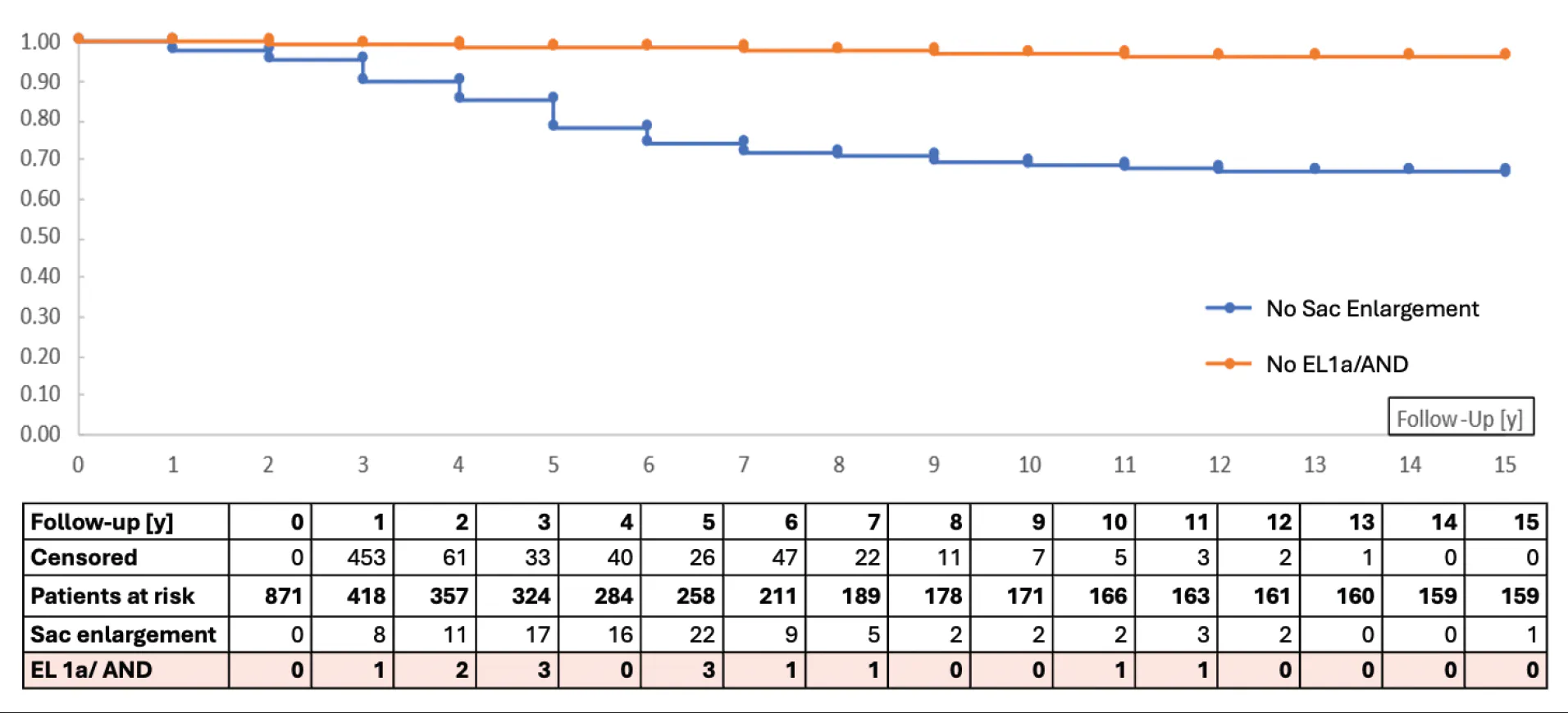
Figure 2. Freedom from sac enlargement and type Ia endoleaks and/or aneurysm neck dilation. Curves depict freedom from sac enlargement and freedom from type Ia endoleak and/or aneurysm neck dilation (AND) through 15 years. The accompanying risk table reports censored observations, patients at risk, and events by follow-up year; 159 patients remained at risk at year 15. Findings reflect broader Ovation platform/ALTO system experience and should not be interpreted as ALTO system–specific 15-year follow-up. EL1a, type Ia endoleak.
These real-world and platform data set the stage for JAGUAR, a prospective, randomized study of the ALTO system in contemporary EVAR practice.
JAGUAR: Randomized Evidence Moves the Durability Question Forward
By Christopher J. Kwolek, MD, MBA, FACS, DFSVS
The JAGUAR Trial (ObJective Analysis to GaUge EVAR Outcomes Through Randomization) is a prospective, randomized, multicenter study with planned 5-year follow-up comparing the ALTO® Abdominal Stent Graft System with commercially available EVAR comparator devices.10 The trial evaluates aneurysm-related complications (ARCs) and proximal neck dilation (PND), which can threaten seal integrity over time and is associated with higher rates of type Ia endoleaks and endograft migration.11 In JAGUAR, PND is treated as a surrogate endpoint that allows early assessment of the therapy before clinical events may arise.
The ALTO system applies the polymer-based sealing concept established in the Ovation platform with a low-profile delivery system and a proximal seal 7 mm below the lowest renal artery, allowing on-label treatment in patients with shorter infrarenal necks. In the retrospective, non-randomized CustomSEAL study, which included 18 centers in Japan, the ALTO system was associated with significantly less ≥ 3-mm proximal neck enlargement at 12 months than self-expanding comparator grafts, while 12-month clinical outcomes were similar between groups.12 JAGUAR is designed to evaluate PND and ARCs, including type I endoleaks, over longer-term follow-up in a randomized setting.
Because enrollment and follow-up are ongoing, the currently available observations remain preliminary. At the time of reporting, 422 of the planned 450 patients had been enrolled. Observed rates of established EVAR outcomes, including rupture, aneurysm-related mortality, type I/III endoleaks, migration, and reinterventions, were low in both treatment groups. The Kaplan-Meier curves in Figure 3 show observed freedom from ≥ 3-mm proximal neck expansion through 30 months, while later ARC comparisons remain limited by the number of patients with longer follow-up. The clinical implications of these observations should become clearer as follow-up continues.
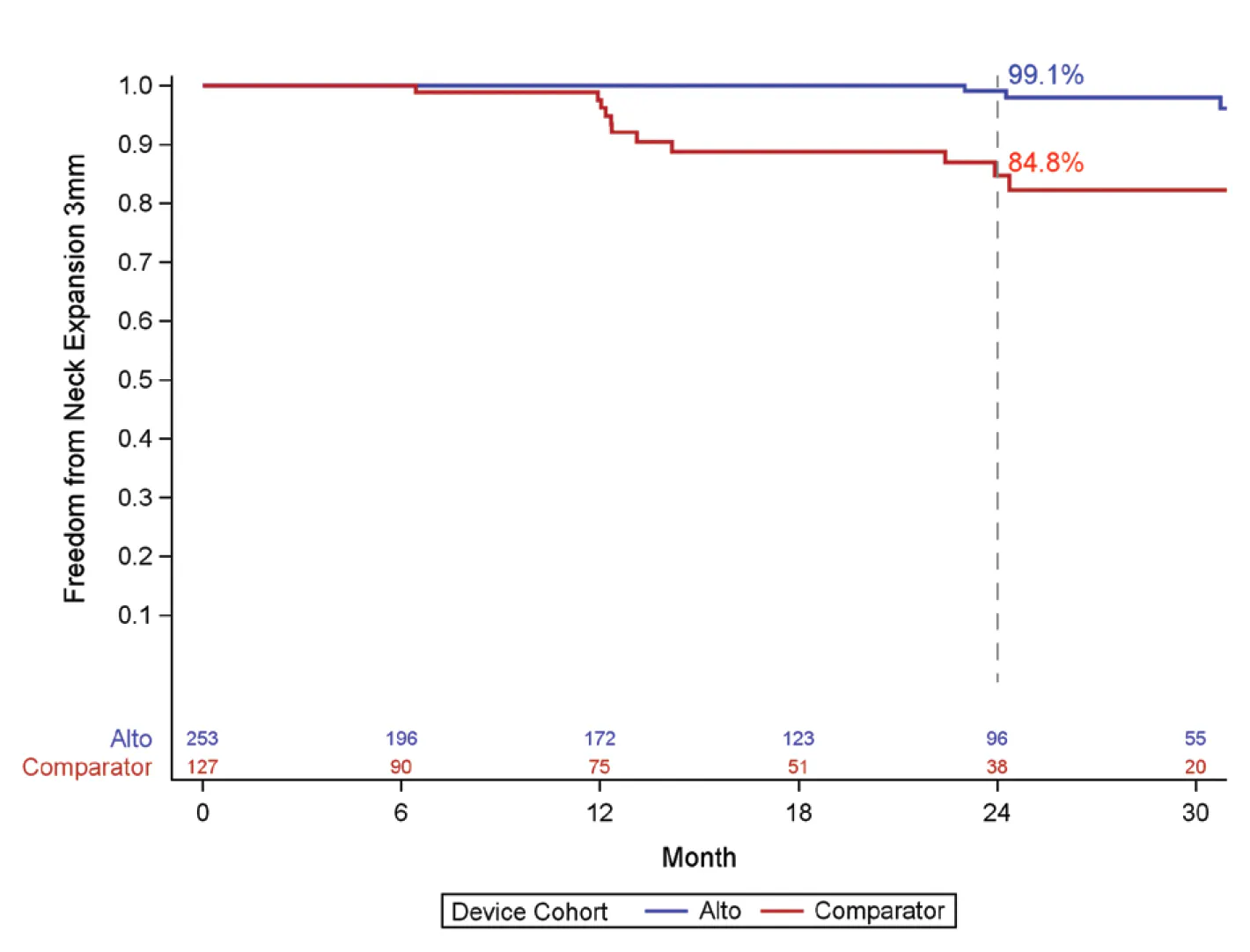
Figure 3. Freedom from ≥ 3-mm proximal neck expansion at the lowest renal artery +7 mm through 30 months in JAGUAR. Kaplan-Meier curves stratified by treatment cohort; curves truncated at 30 months based on subjects at risk.10
Access, deliverability, and trackability remain central considerations in EVAR, particularly in patients with smaller, tortuous, or calcified iliofemoral anatomy. The low-profile ALTO system may be especially relevant in women, who more often present with smaller access vessels. In the currently available JAGUAR observations, percutaneous access for the main body/contralateral side was observed in 79.6% of ALTO system cases and 73.9% of comparator cases.
Taken together, long-term, real-world AST experience and early, emerging JAGUAR observations support a durability rationale centered on proximal seal integrity, neck stability, and low rates of seal-related complications. The combined evidence provides a bridge between established real-world outcomes and the randomized assessment of the ALTO system in contemporary EVAR practice.
1. De Guerre LEVM, O’Donnell TFX, Varkevisser RRB, et al. The association between device instructions for use adherence and outcomes after elective endovascular aortic abdominal aneurysm repair. J Vasc Surg. 2022;76:690-698.e2. doi: 10.1016/j.jvs.2022.02.037
2. Mufty H, Houthoofd S, Daenens K, et al. Mid- to long-term outcome results of the Ovation stent graft. Ann Vasc Surg. 2020;63:129-135. doi: 10.1016/j.avsg.2019.06.045
3. Debbaut T, Fourneau I, Maleux G, Mufty H. Long-term outcome results of the Ovation stent graft. JVS Vasc Insights. Published online May 1, 2026. doi: 10.1016/j.jvsvi.2026.100439
4. Swerdlow NJ, Lyden SP, Verhagen HJM, Schermerhorn ML. Five-year results of endovascular abdominal aortic aneurysm repair with the Ovation abdominal stent graft. J Vasc Surg. 2020;71:1528-1537.e2. doi: 10.1016/j.jvs.2019.06.196
5. Fino G, Isernia G, Parlani G, et al. Long-term outcomes of the Ovation stent graft system: single-center experience. J Clin Med. 2025;14:4177. doi: 10.3390/jcm14124177
6. Lyden SP, Metzger DC, Henao S, et al. One-year safety and effectiveness of the Alto abdominal stent graft in the ELEVATE IDE trial. J Vasc Surg. 2023;77:446-453.e3. doi: 10.1016/j.jvs.2022.08.016
7. Barbatis A, Spanos K, Ioannou C, et al. One year outcomes of endovascular aneurysm repair with the Alto stent graft in the Hellenic Alto Registry. Ann Vasc Surg. 2026;127:79-86. doi: 10.1016/j.avsg.2026.01.025
8. Elsayed Y, Bakheet M, Ahmed N, et al. Polymer ring sealing stents for abdominal aortic aneurysms with “hostile neck” feature: a safe alternative for patients “less fit” for open repair. Ann Vasc Surg. 2026;129:437-442. doi: 10.1016/j.avsg.2026.03.039
9. Nolte T. Fifteen-year experience with low-profile EVAR using the Ovation/ALTO endograft platform. Endologix data on file.
10. Endologix data on file. JAGUAR trial data review. July 2026
11. Chatzelas DA, Loutradis CN, Pitoulias AG, et al. A systematic review and meta-analysis of proximal aortic neck dilatation after endovascular abdominal aortic aneurysm repair. J Vasc Surg. 2023;77:941-956.e1. doi: 10.1016/j.jvs.2022.07.182
12. Ichihashi S, Takahara M, Fujimura N, et al. Less aortic neck dilatation of the ALTO stent graft compared to the self-expanding stent grafts after endovascular aortic repair for abdominal aortic aneurysms. Cardiovasc Intervent Radiol. 2025;48:438-446. doi: 10.1007/s00270-025-03996-x
Case Report: Durable Exclusion at 12 Years in a Thrombotic Neck and Calcified Distal Aorta
By Prof. Dr. Hozan Mufty, MD, PhD, FEBVS
PATIENT PRESENTATION
A man in his 60s was followed for an infrarenal AAA that reached 5.5 cm in 6 years. His history included hypercholesterolemia, arterial hypertension, severe coronary artery disease twice treated with percutaneous coronary intervention, unstable angina with non–ST-segment elevation myocardial infarction leading to coronary artery bypass grafting, and esophagitis.
PLANNING AND TREATMENT
Preoperative CTA demonstrated a 21-mm infrarenal neck that was heavily thrombotic below the lowest renal artery, with thrombus over roughly 35° of the circumference and a maximum thickness of 9 mm (Figure 1). Three-dimensional (3D) reconstruction was limited by dense calcification but confirmed a narrow distal aorta of 17 X 13 mm at the bifurcation that was circumferentially calcified (Figure 2). An Ovation® PRIME system was implanted: a 26-mm main body with 18- X 80-mm and 18- X 45-mm left limbs and a 14- X 100-mm right limb. Completion angiography confirmed good position, patent renal arteries, no type Ia or Ib endoleak, and widely patent limbs with no additional relining (Figure 3).
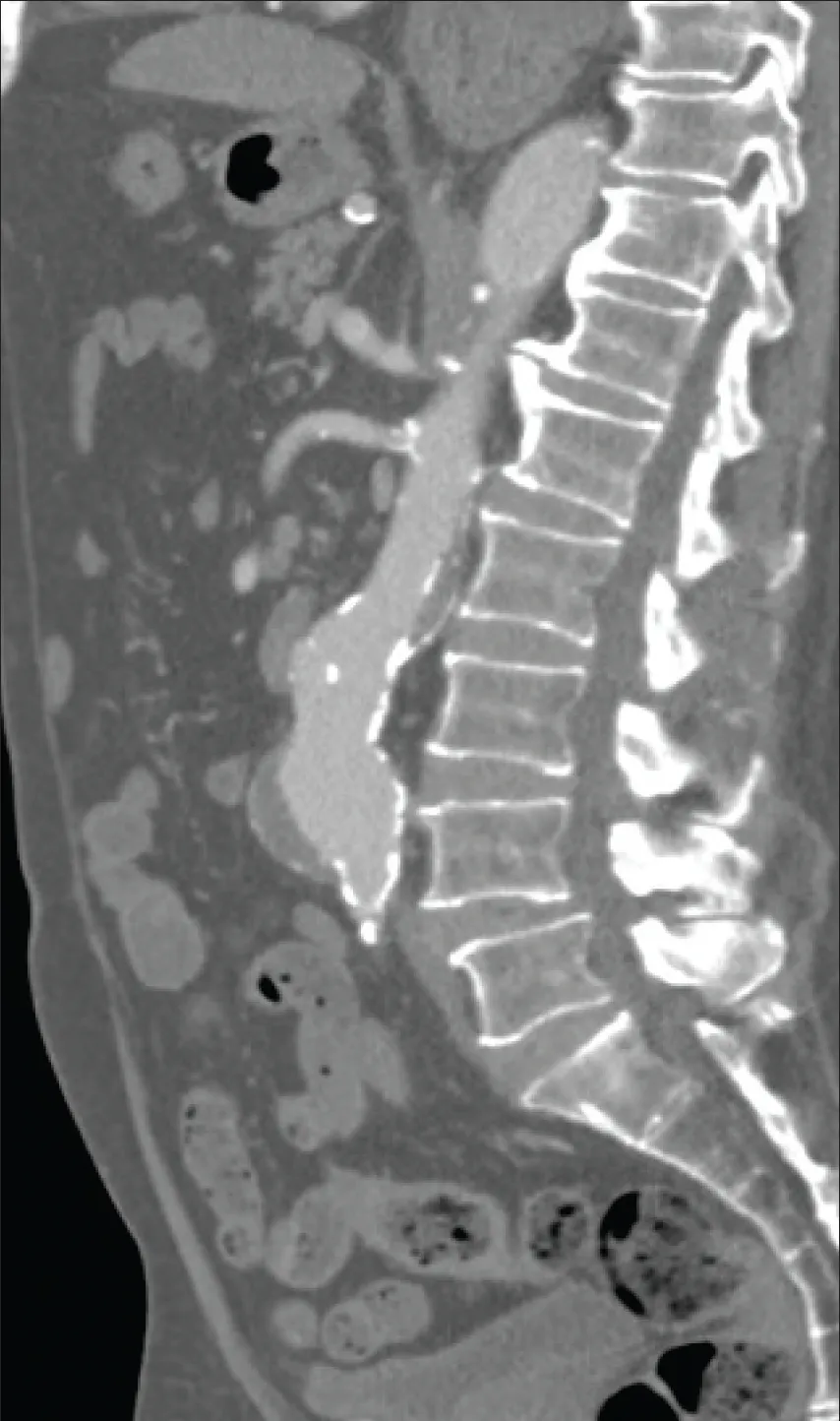
Figure 1. Preoperative CTA showing the infrarenal AAA with a thrombotic neck below the lowest renal artery.
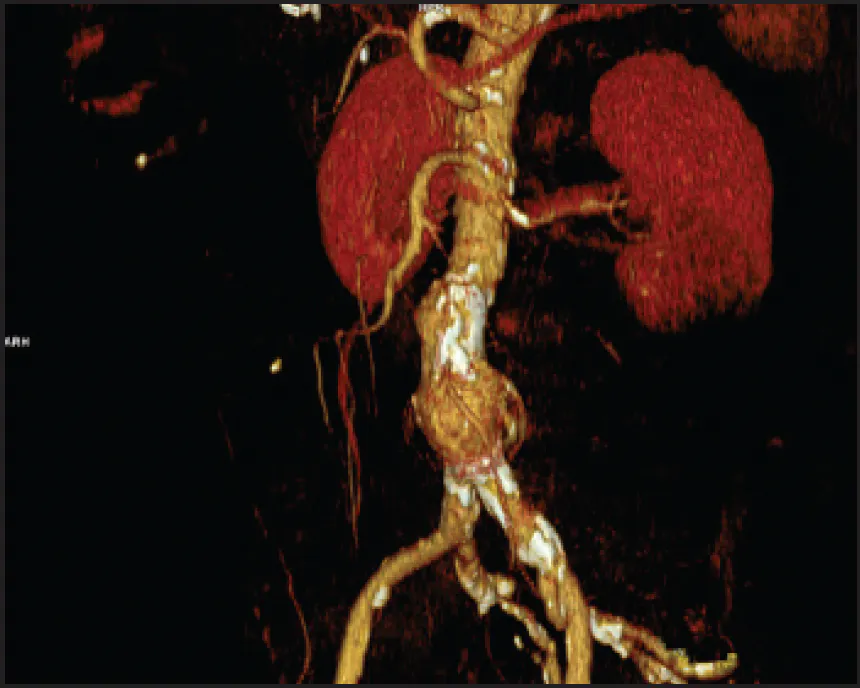
Figure 2. Preoperative 3D reconstruction showing the calcified aneurysm and the narrow distal aorta.
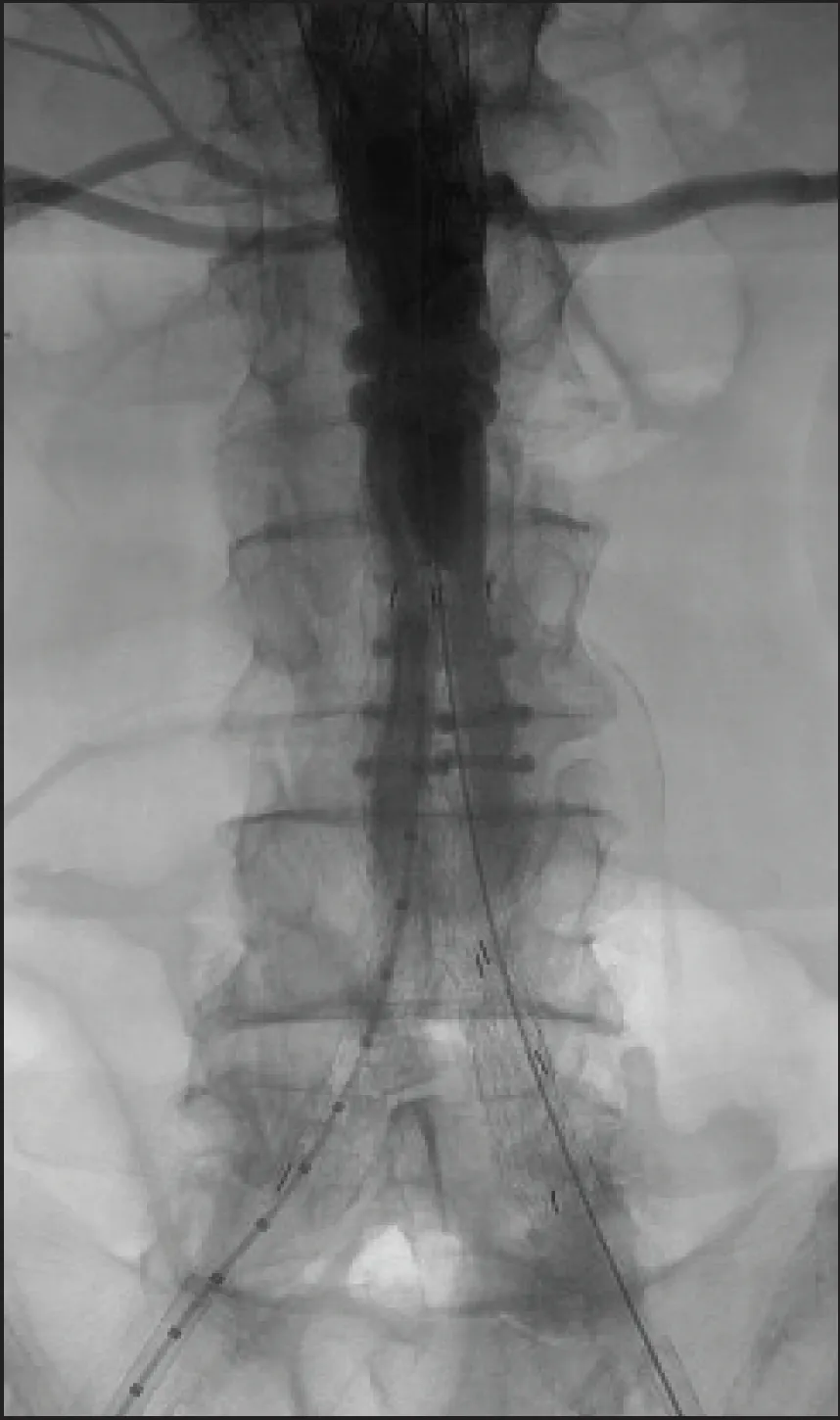
Figure 3. Completion angiogram showing patent renal arteries and limbs with no type I endoleak.
FOLLOW-UP
The first postoperative CT at 1 month showed no type I endoleak and a stable diameter, with a type II endoleak from a lumbar and the inferior mesenteric artery. The sac stayed stable on surveillance, the type II endoleak resolved 8 years after initial implantation, and the most recent CTA obtained 4 years later showed no endoleak (Figure 4).
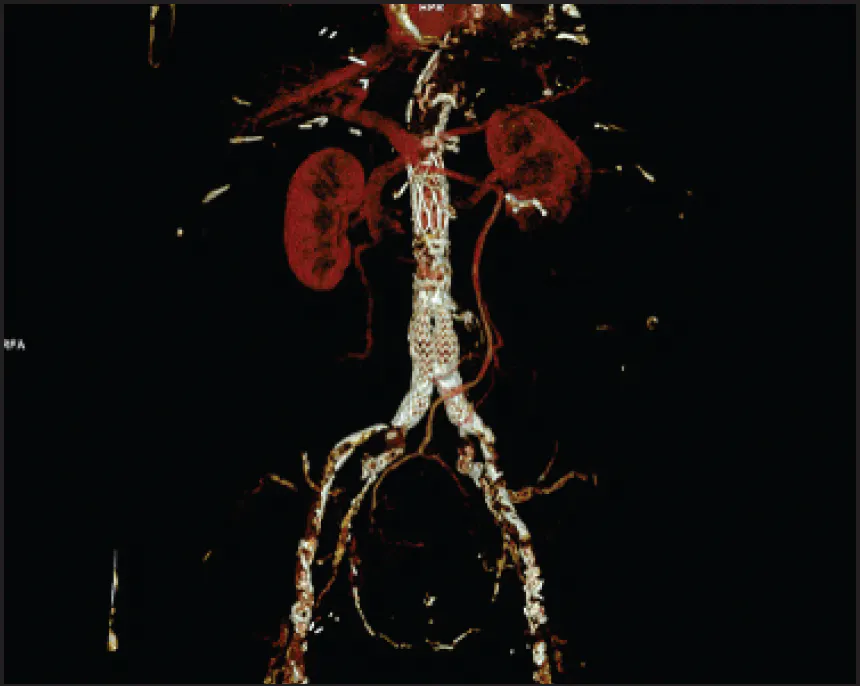
Figure 4. Most recent CTA showing a stable sac, maintained polymer seal, and no endoleak.
PHYSICIAN OBSERVATIONS
The challenge in this case was a thrombotic infrarenal neck combined with a narrow, circumferentially calcified distal aorta. The polymer sealing rings apposed the aortic wall without adding radial force, and at more than 12 years, the diseased wall and seal have remained stable with no endoleak.

Case Report: Conforming to a Short, Severely Angulated Neck: Durable Exclusion at 2.5 Years
By Venkatesh Ramaiah, MD, FACS
PATIENT PRESENTATION
A man in his 80s presented for evaluation of a 5.7-cm infrarenal AAA. His history included coronary artery disease with prior angioplasty, nonrheumatic aortic valve insufficiency treated with transcatheter aortic valve replacement, and mixed hyperlipidemia. Preoperative imaging demonstrated severe infrarenal aortic angulation with a short proximal neck, together with a large sac and dilated, tortuous iliac vessels.
PLANNING AND TREATMENT
Preoperative planning confirmed anatomy within the ALTO® system IFU, with a proximal aortic landing zone for the sealing ring 7 mm below the lowest renal artery (Figure 1). 3D reconstruction was used to confirm device fit within the angulated sac, and a 29-mm ALTO device was selected with limbs sized to the bilateral iliac anatomy (Figure 2). The stiff wire was withdrawn before deployment so the graft could conform to the neck angulation, and the polymer sealing ring was seated 7 mm below the lowest renal artery under fluoroscopic guidance. After polymer cure, limb extensions were placed to the iliac vessels, and completion angiography confirmed aneurysm exclusion with widely patent limbs and no type I endoleak (Figure 3).
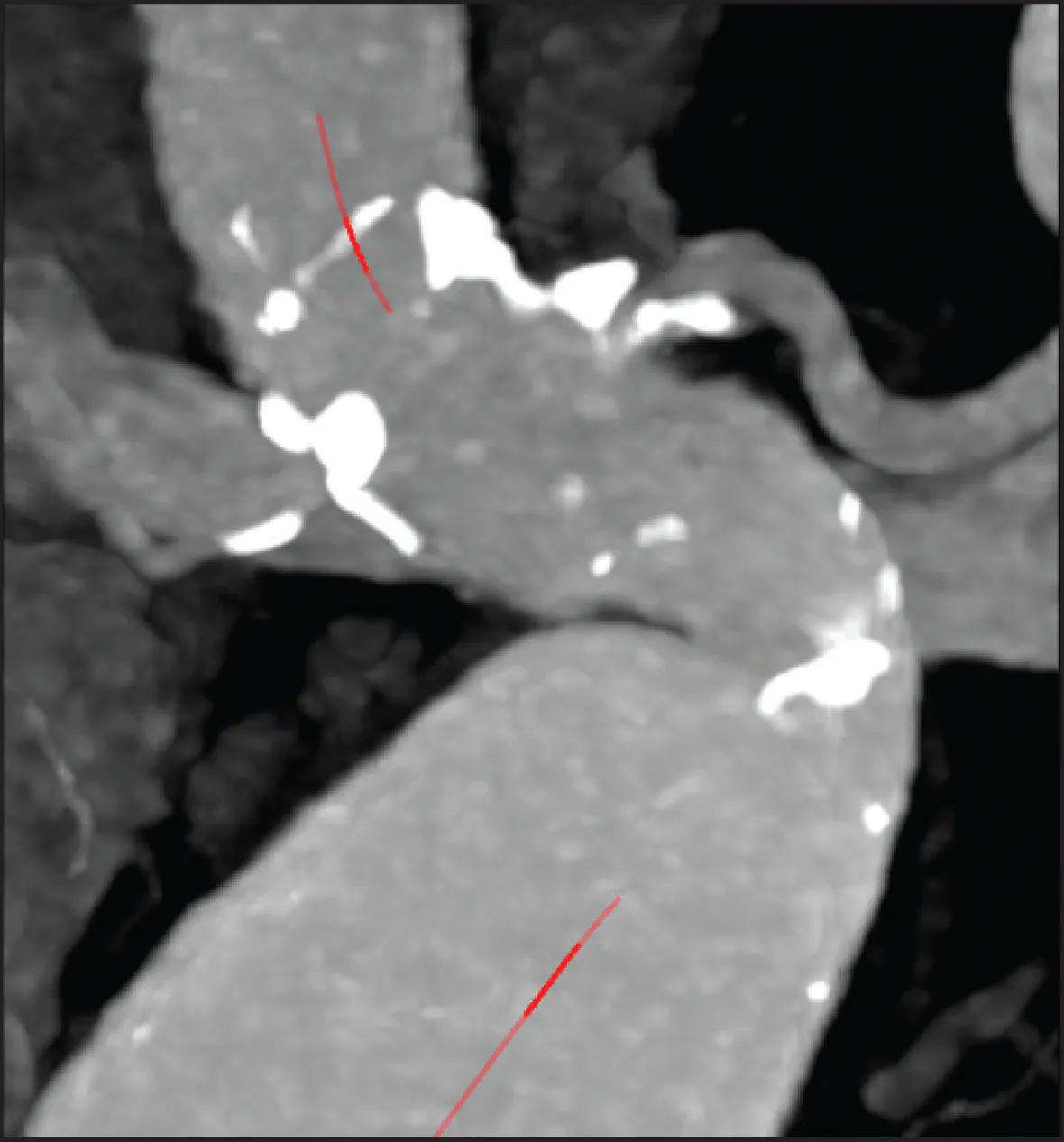
Figure 1. Preoperative CTA showing a 5.7-cm infrarenal AAA with severe aortic angulation and a short proximal neck.
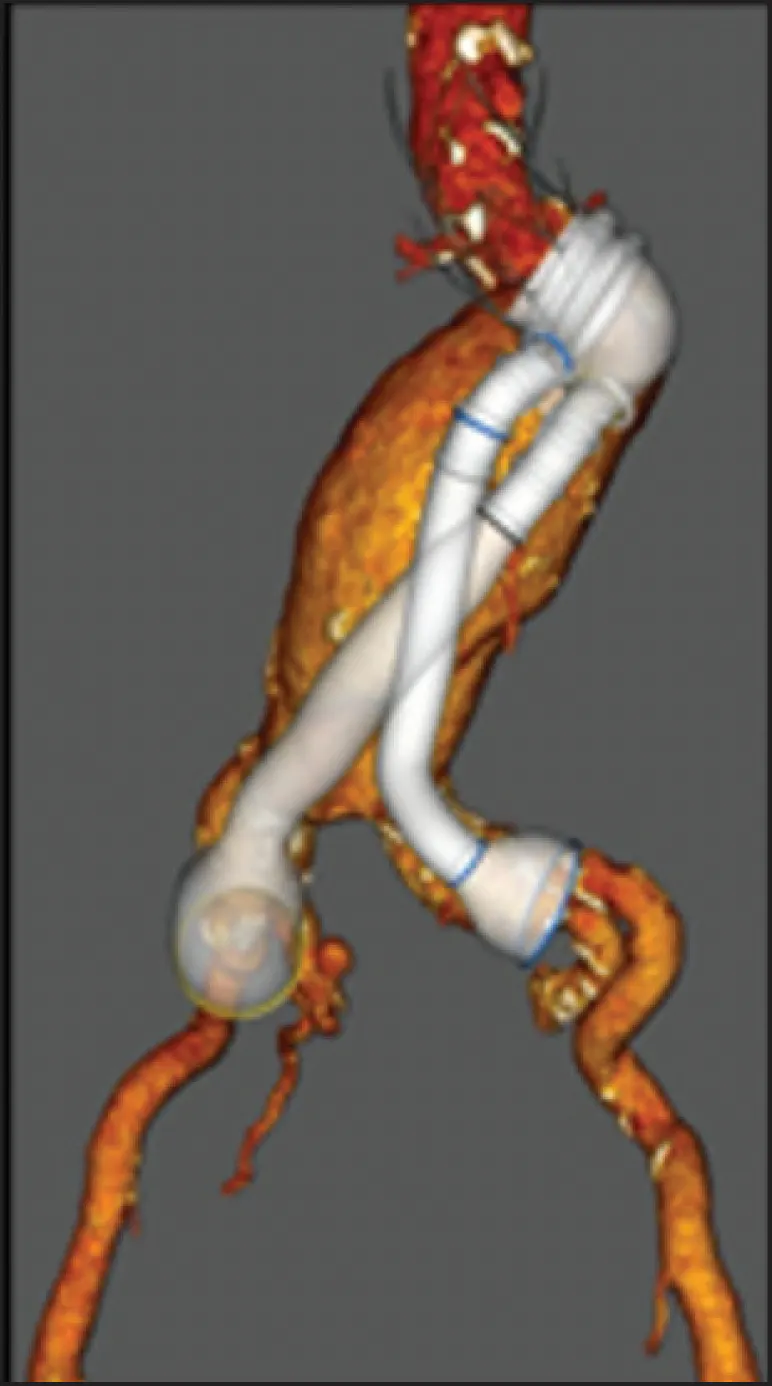
Figure 2. Preoperative 3D reconstruction showing intended adaptive sealing zone and 29-mm ALTO device selection.
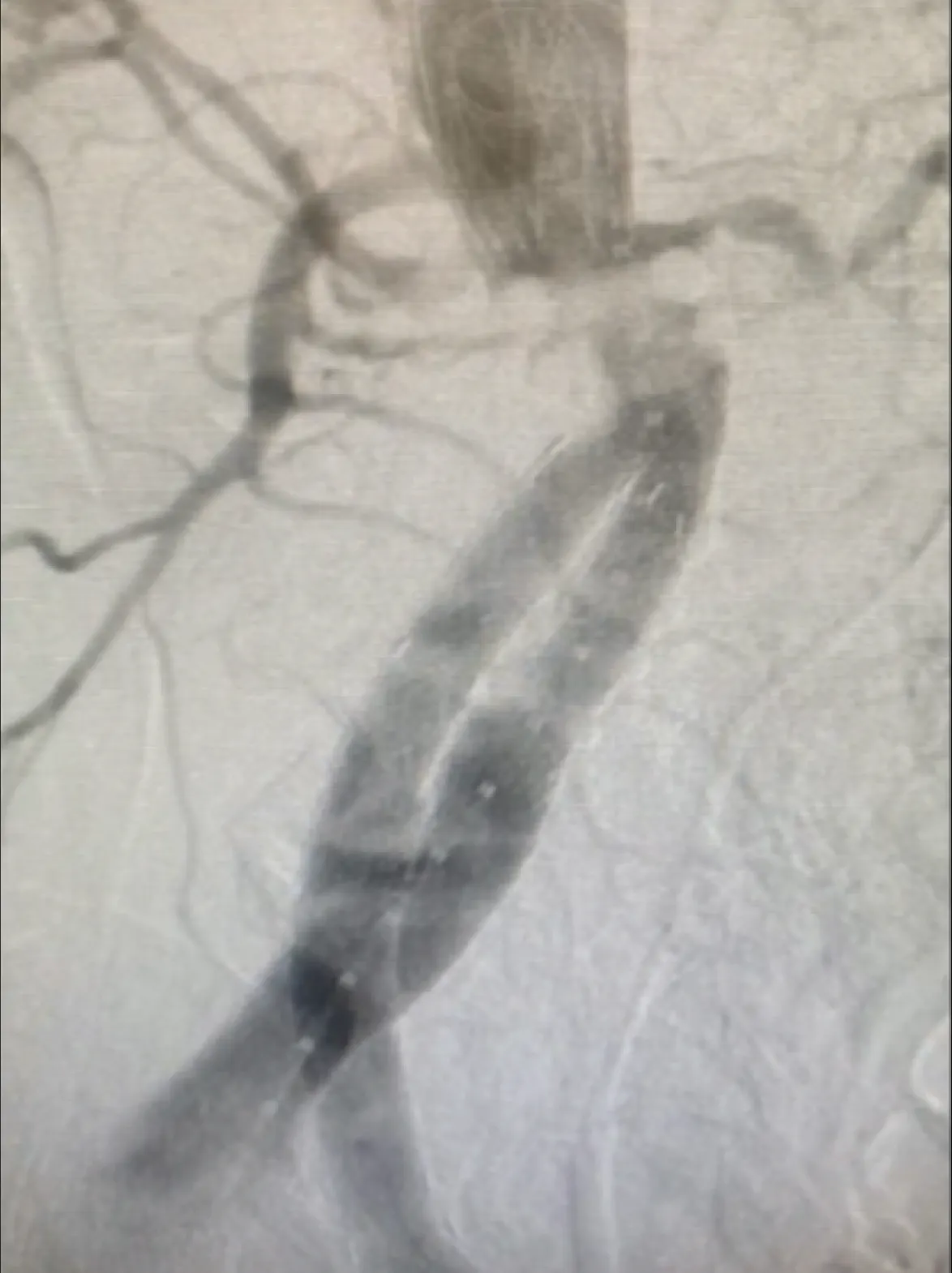
Figure 3. Completion angiogram showing ALTO system sealing ring seated 7 mm below the lowest renal artery, patent limbs, and no type I endoleak.
FOLLOW-UP
Imaging at 2.5 years showed the polymer sealing zone maintained in the proximal landing zone 7 mm below the lowest renal artery, patent bilateral limbs, and no endoleak (Figure 4). Maximum aneurysm diameter decreased from 5.7 cm to 5.6 cm.
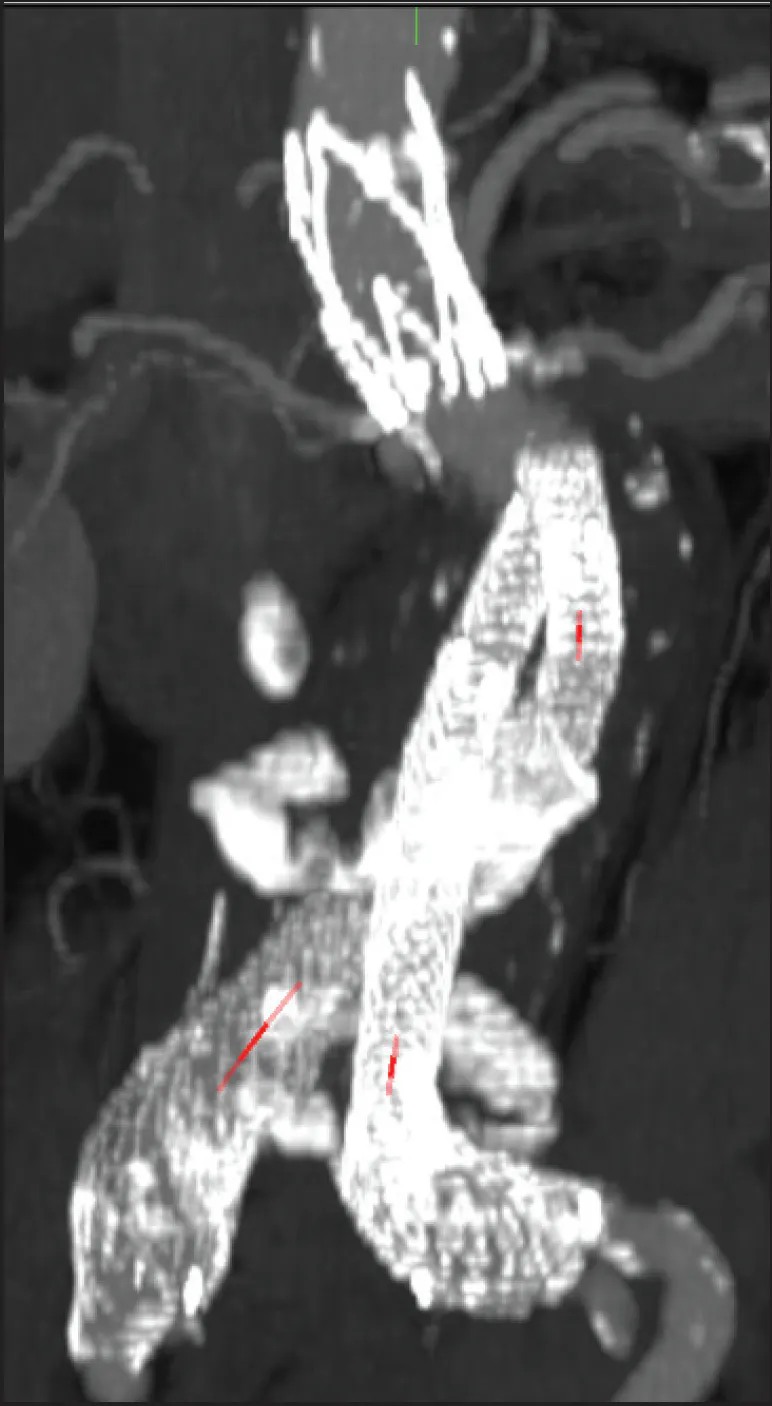
Figure 4. Imaging at 2.5 years showing maintained adaptive sealing zone, patent bilateral limbs, and no evidence of endoleak.
PHYSICIAN OBSERVATIONS
A 7-mm neck is probably the shortest you can treat with the ALTO system without ancillary equipment. The device conforms to the angulation, the morphology, and the diameter of the neck, and at 2.5 years the sac has regressed with no endoleak.

Case Report: A Hostile, Angulated Neck: Stable Seal at 4 years With the ALTO® System
By Nicolas J. Mouawad, MD, MPH, MBA, RPVI
PATIENT PRESENTATION
A man in his late 60s was found to have an incidental 8.8-cm infrarenal AAA during lung cancer screening. His history included chronic obstructive pulmonary disease on 2-L home oxygen with emphysema and hypertension. Preoperative CTA with centerline reconstruction showed a hostile 7-mm tapered neck measuring 26.1 mm in diameter with 52.5° of angulation, a large sac, and iliac anatomy requiring extended limb coverage (Figure 1 and Figure 2).
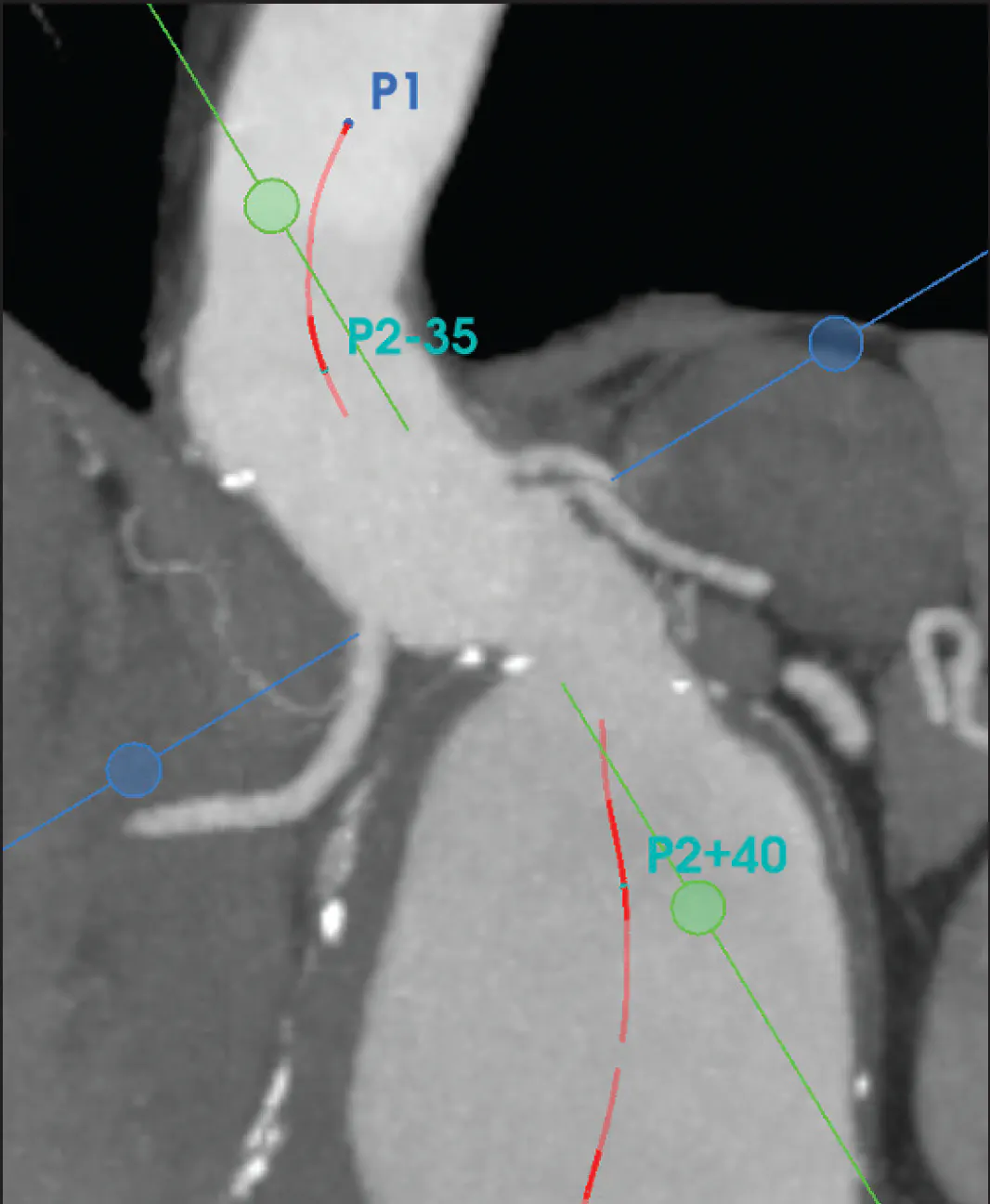
Figure 1. Preoperative CTA centerline reconstruction showing the hostile, angulated proximal neck (7 mm, 26.1 mm, 52.5°).
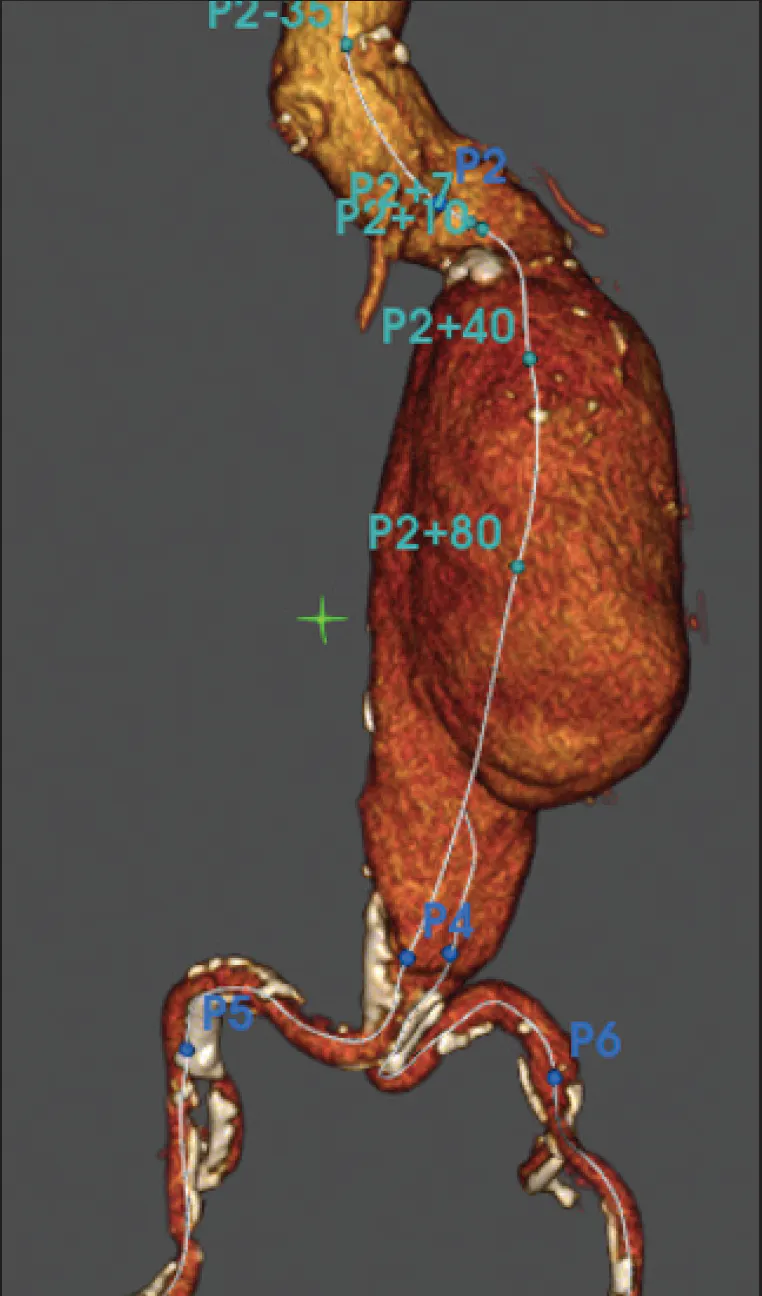
Figure 2. Preoperative 3D reconstruction used for device sizing and 29- X 80-mm ALTO system body selection.
PLANNING AND TREATMENT
Planning used CTA centerline reconstruction and 3D volume rendering to size the device (Figure 1 and Figure 2). With a 7-mm landing zone below the lowest renal artery and a 26.1-mm neck, a 29- X 80-mm ALTO® system body was selected at approximately 10% oversizing, with bilateral 12- X 160-mm iliac limbs and a 12- X 100-mm left extension. The graft was deployed with the radiopaque markers in the middle of the renal arteries to maximize the seal at 7 mm and placed oblique to allow easy cannulation. The stiff wire was withdrawn before deployment so the graft could conform to the angulation, and the polymer sealing ring was seated at the lowest renal artery under fluoroscopy. Completion angiography showed patent bilateral limbs with no evidence of early or late endoleak (Figure 3).
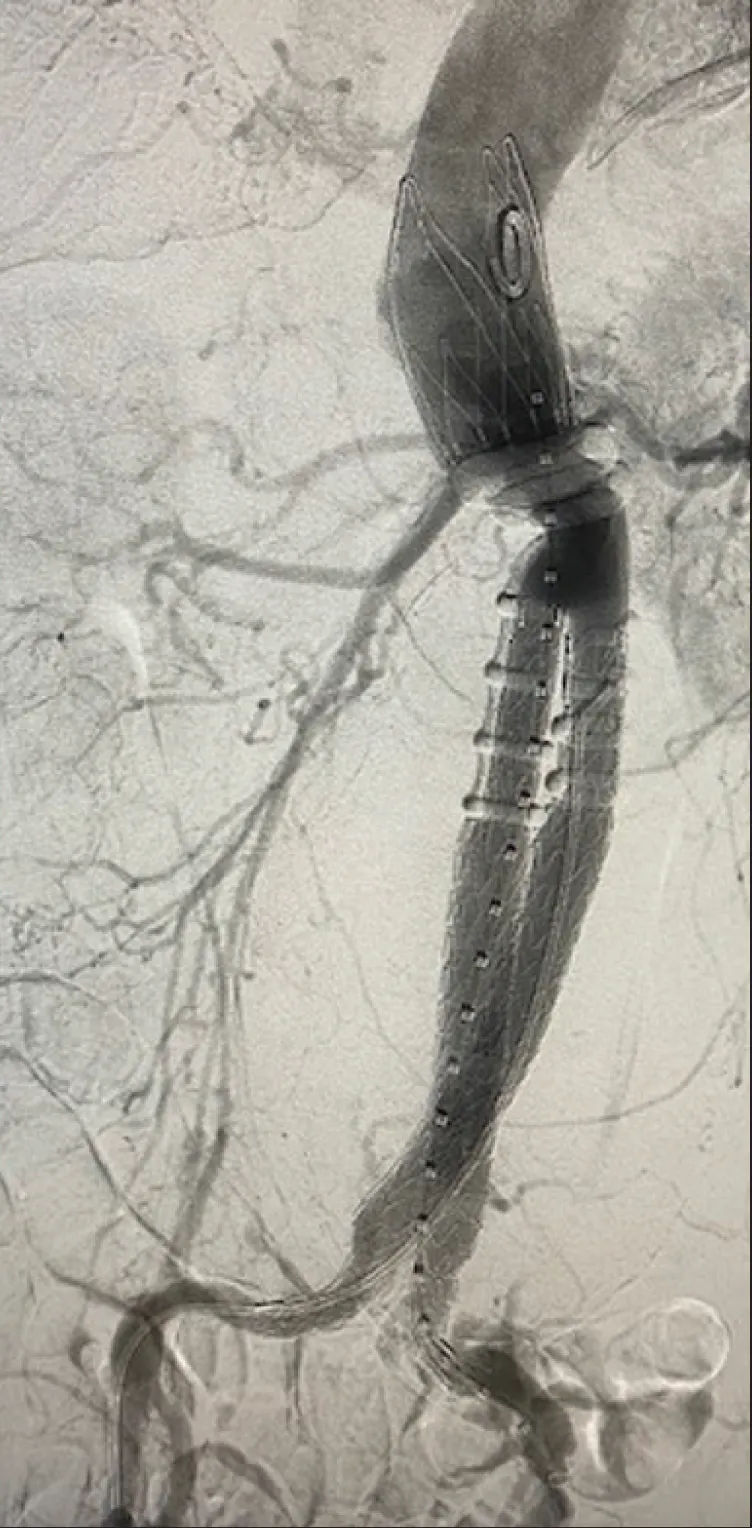
Figure 3. Completion angiogram showing the deployed ALTO device with patent bilateral iliac limbs and no endoleak.
FOLLOW-UP
Serial CT at 30 days, 2 years, and 4 years showed the proximal seal zone maintained, with neck diameter at the renal arteries of 28.0 mm at each interval. Maximum aneurysm diameter measured 8.8, 8.7, and 8.3 cm, with no endoleak and patent limbs at latest follow-up (Figure 4).
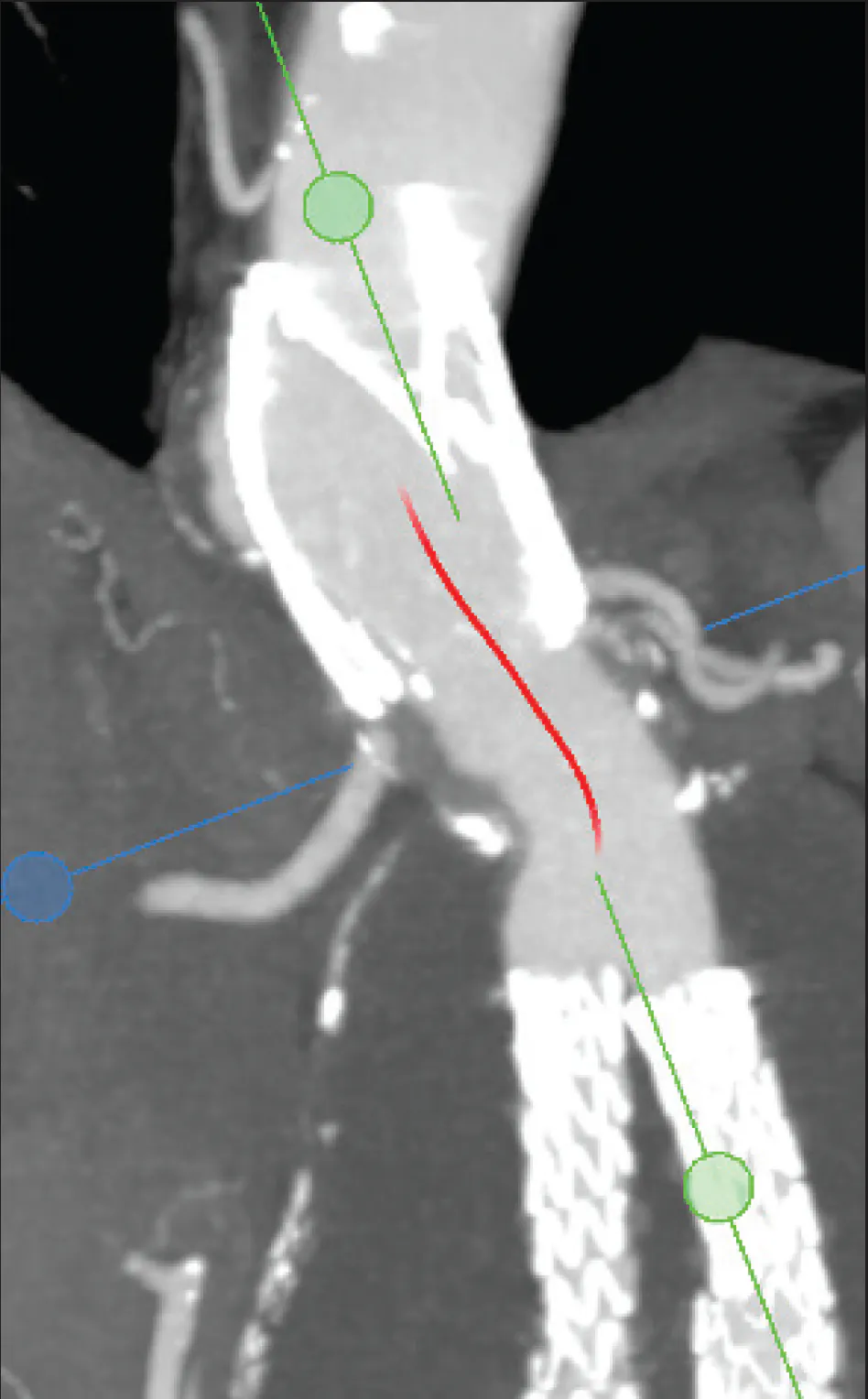
Figure 4. CT at 4 years showing the proximal seal zone maintained with no endoleak.
PHYSICIAN OBSERVATIONS
The device conforms excellently to complex, hostile, angulated necks. Despite these challenges, the case was on-label and the proximal neck continued to maintain stability at 4 years.

INDICATIONS FOR USE: The ALTO® Abdominal Stent Graft System is indicated for treatment of patients with infrarenal abdominal aortic aneurysms having the vascular morphology suitable for endovascular repair with the device, which includes the following:
Adequate iliac/femoral access compatible with vascular access techniques (femoral cutdown or percutaneous), devices, and/or accessories,
A proximal aortic landing zone for the sealing ring 7 mm below the inferior renal artery.
An aortic sealing zone comprised of healthy aorta defined as:
- Lack of significant thrombus > 8 mm in thickness at any point along the aortic circumference at the level of 7mm below the inferior renal artery,
- Lack of significant calcification at the level of 7 mm below the inferior renal artery,
- Conicity < 10% as measured from the inferior renal artery to the aorta 7 mm below the inferior renal artery,
- An inner wall diameter of no less than 16 mm and no greater than 30 mm at 7 mm below the inferior renal artery, and
- An aortic angle of ≤ 60 degrees
A distal iliac landing zone:
- With a length of at least 10 mm, and
- With an inner wall diameter of no less than 8 mm and no greater than 25 mm.
CONTRAINDICATIONS: The system is contraindicated for use in patients who have a condition that threatens to infect the graft and in patients with known sensitivities or allergies to the device materials including polytetrafluoroethylene [PTFE], polyethylene glycol [PEG]-based polymers, contrast agents, fluorinated ethylene propylene [FEP], titanium, nickel, platinum, or iridium.
Refer to Instructions for Use for more information concerning Indications, Contraindications, Specific Anatomic Considerations, Warnings, Precautions, and Adverse Events.
CAUTION: Federal (USA) law restricts this device to sale by or on the order of a physician.
NOTE: Not all product components are available in every country. Please consult with your Endologix representative to confirm product availability.
Rhevera Medical is the parent company of Endologix LLC. Endologix LLC is the legal manufacturer of the devices discussed in this article.
Rhevera Medical, Rhevera and the Rhevera logo are trademarks of Endologix LLC. Endologix is a registered trademark of Endologix LLC in the United States, Europe and Japan and ALTO is a registered trademark of Endologix LLC and its subsidiaries. All other trademarks are the property of their respective owners. ©2026 Endologix LLC. All rights reserved.
MM3109-ALL Rev 01
Advertisement
Advertisement